
 Save
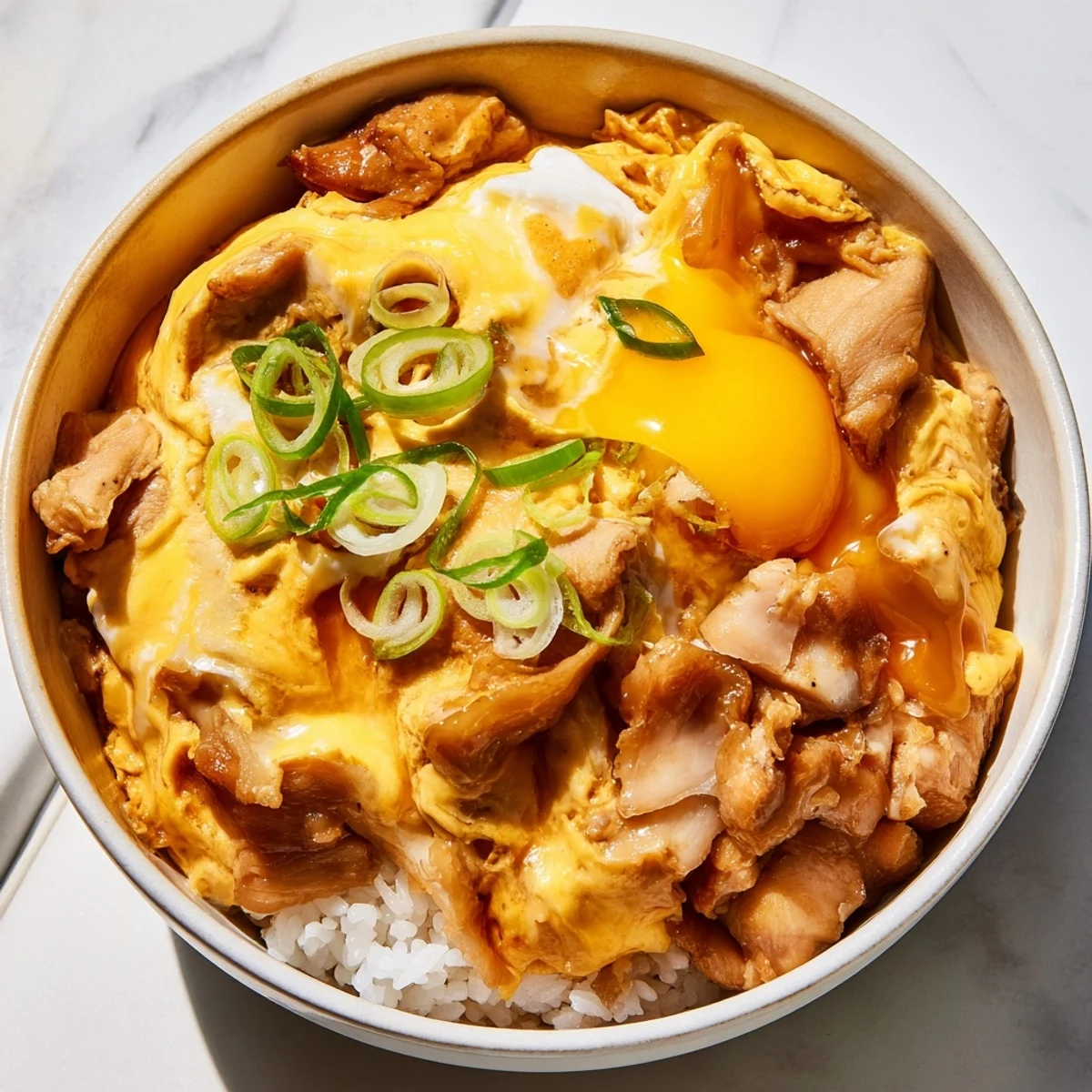
Save Oyakodon brings together tender chicken thigh pieces and sweet onions simmered in a balanced dashi-based sauce, finished with barely-set eggs that create luxurious silky ribbons throughout the dish. The entire mixture crowns bowls of hot Japanese rice, creating those coveted bite combinations where everything mingles together.
What makes this bowl special is how the eggs barely set, remaining custard-like while the sauce seasons the rice beneath. The contrast between the fluffy grains, tender chicken, and barely-cooked eggs creates textural harmony in every spoonful.
The preparation comes together quickly—simmer the aromatics and chicken in the flavorful liquid, pour beaten eggs over the surface, cover briefly, and slide the entire creation over waiting rice. Garnish with fresh spring onions for brightness and optional spice.
The first time I had Oyakodon was in a tiny restaurant in Kyoto where the chef hummed while he cooked, the steam from his pot fogging up the window next to our table. Something about the way those eggs just barely set over the simmering chicken felt like magic, like comfort itself served in a bowl.
Last winter my roommate came home sick and I made this for her, watching from the doorway as she sat wrapped in a blanket, spooning the hot mixture over her rice. The smell of simmering soy sauce and onions filled our tiny apartment, and she told me it was exactly what her mother used to make when she was little.
Ingredients
- Chicken thighs: I prefer thighs over breast here because they stay tender and juicy even after simmering in the sauce
- Onion: Thinly sliced so they melt into the sauce as they cook
- Dashi stock: The backbone of Japanese cooking, though chicken broth works if youre in a pinch
- Soy sauce: Use a good quality one, it makes a difference in the final flavor
- Mirin and sake: These add that essential Japanese sweetness and depth
- Sugar: Just enough to balance the salty soy sauce
- Eggs: Large eggs work best here for that perfect creamy consistency
- Spring onions: Fresh garnish that cuts through the richness
- Japanese short-grain rice: The sticky texture is what makes this dish so satisfying
Instructions
- Mix your sauce:
- Combine dashi stock, soy sauce, mirin, sake, and sugar in a small bowl, stirring until the sugar completely dissolves
- Soften the onions:
- Heat your skillet over medium heat, add sliced onions and the sauce mixture, letting everything simmer for 3 to 4 minutes until the onions turn translucent and fragrant
- Cook the chicken:
- Add the chicken pieces to the pan, cover, and simmer for 6 to 8 minutes, turning halfway through, until the chicken is cooked through
- Add the eggs:
- Lightly beat the eggs in a bowl, pour them evenly over the chicken and onions, then cover and cook for 1 to 2 minutes until just set but still slightly runny
- Assemble the bowls:
- Divide hot rice between two bowls, gently slide that beautiful chicken and egg mixture over the top, and scatter with spring onions
 Save
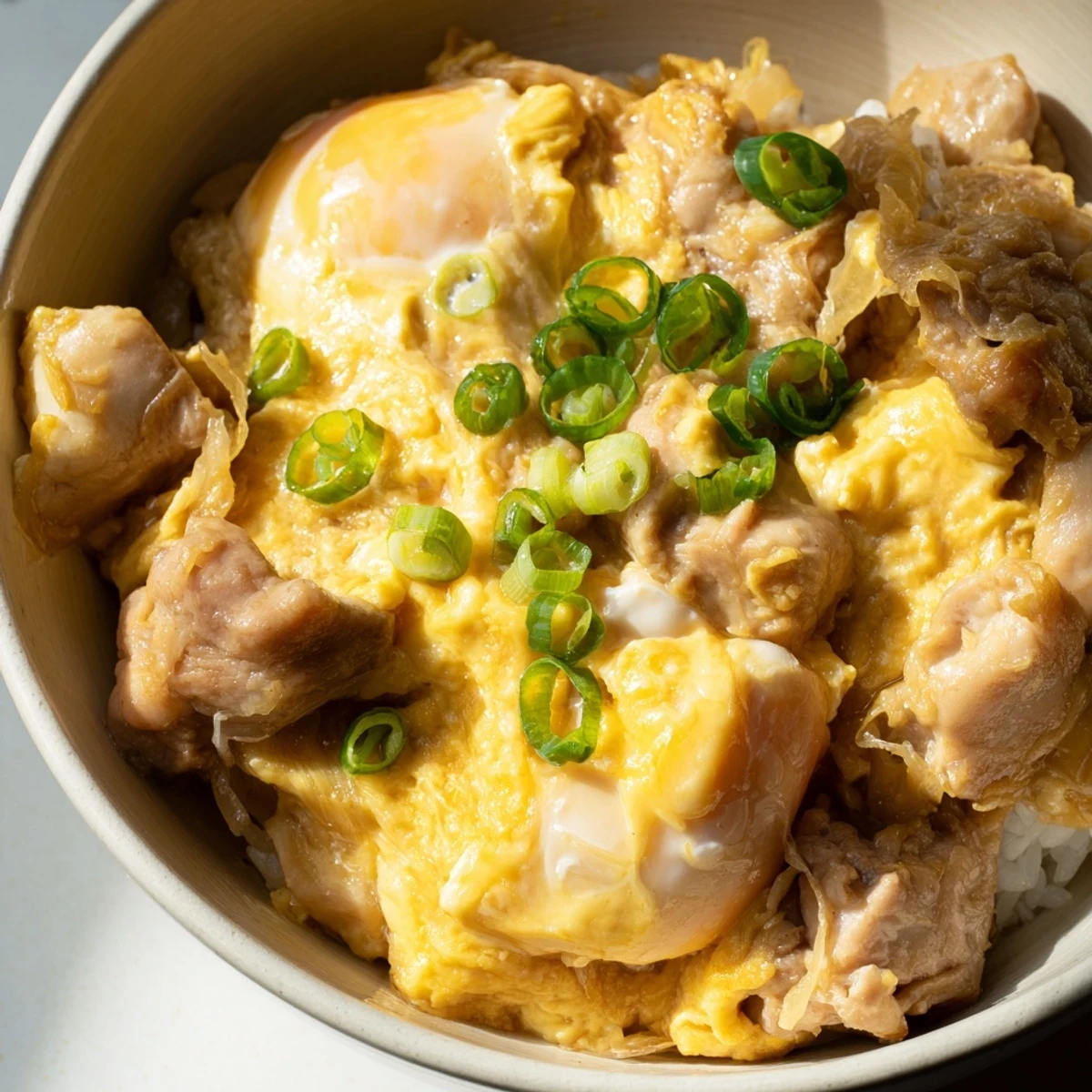
Save My friend from Tokyo told me that Oyakodon means parent and child bowl, and she smiled when she said it, like it was the most natural thing in the world to find comfort in that name. Now whenever I make this, I think about how food connects us to memories we didnt even know we were making.
Getting The Rice Right
Japanese short-grain rice is non-negotiable here, that sticky clingy texture is what makes each bite so satisfying. I cook mine in a rice cooker but a pot on the stove works perfectly fine if you rinse the rice until the water runs clear first.
Make It Your Own
Sometimes I add a handful of mung bean sprouts right after the chicken goes in, they soak up all that sauce and add a nice crunch. You can also slip in some spinach or shiitake mushrooms if you want more vegetables.
Serving Suggestions
A warm bowl of miso soup on the side makes this feel like a complete Japanese meal at home. I also love setting out some pickles or a simple cucumber salad to balance the rich flavors.
- Shichimi togarashi adds a nice spicy kick if you like heat
- A drizzle of sesame oil right before serving elevates everything
- Serve immediately, this dish does not reheat well
 Save
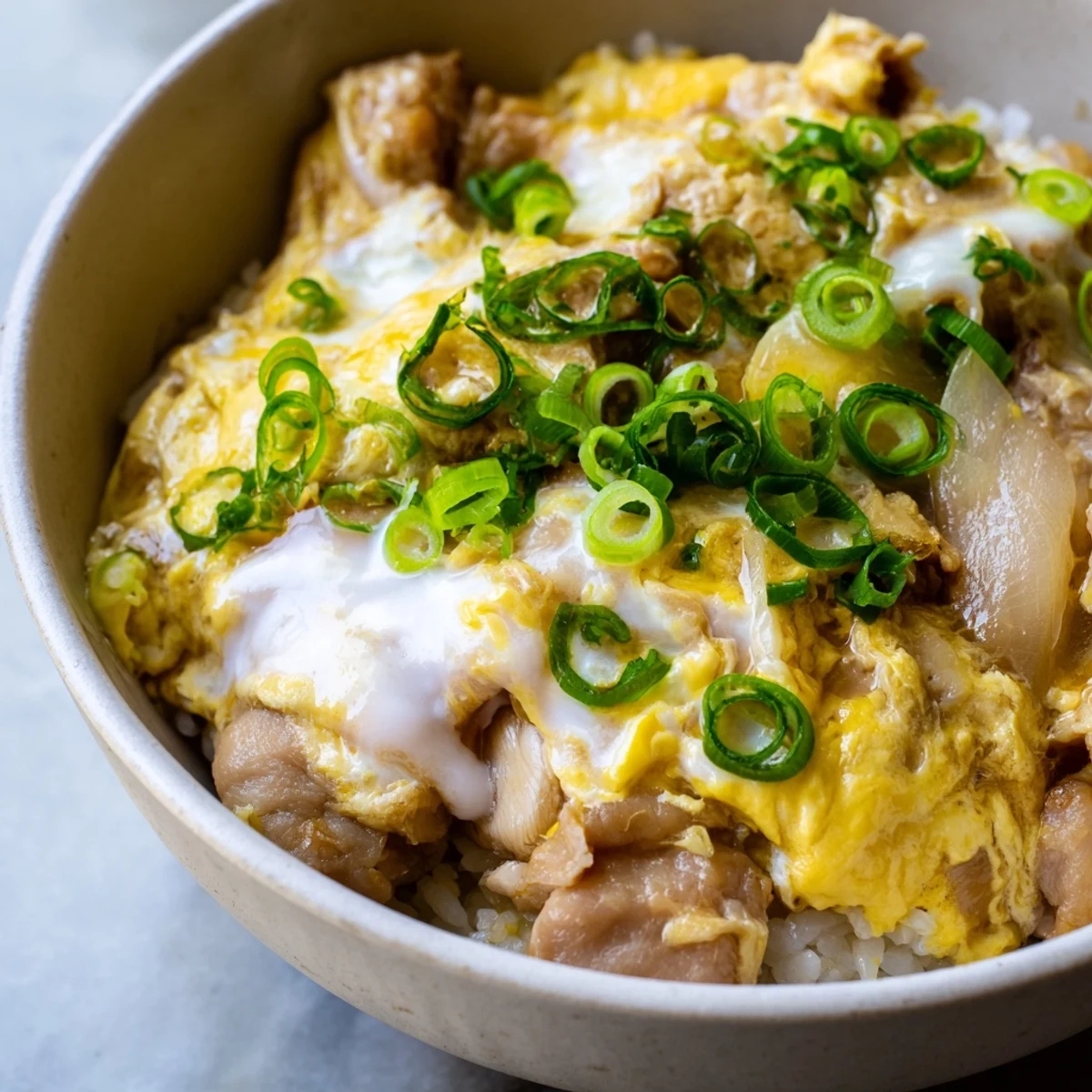
Save Theres something so honest about this dish, simple ingredients coming together to create something greater than the sum of its parts.
Recipe FAQs
- → What does oyakodon mean?
-
Oyakodon translates to 'parent-and-child bowl,' referring to the chicken (parent) and eggs (child) served together over rice. It's a traditional Japanese donburi dish that's been cherished for generations as home cooking.
- → Can I use chicken breast instead of thighs?
-
Yes, chicken breast works perfectly for a leaner version. Keep in mind that breast meat cooks faster and may become slightly drier, so reduce the simmering time by a couple minutes to maintain tenderness.
- → What can substitute for dashi stock?
-
Low-sodium chicken broth makes an excellent substitute that maintains the savory depth. For a vegetarian version, kombu dashi or vegetable broth works well, though the flavor profile will shift slightly from traditional Japanese taste.
- → Why should the eggs remain slightly runny?
-
The slightly runny eggs create that signature silky texture that coats each grain of rice. If cooked until fully set, you lose the luxurious custard-like consistency that makes this dish so comforting and satisfying.
- → How do I prevent the eggs from overcooking?
-
Remove the pan from heat immediately after pouring the eggs and covering. The residual heat finishes cooking them while preserving that desirable creamy consistency. Every extra minute on heat brings you closer to rubbery eggs.
- → What other toppings can I add?
-
Shichimi togarashi adds wonderful spice and complexity. Fresh cilantro, pickled ginger, or nori strips work beautifully. Some enjoy a drizzle of Japanese mayo or extra soy sauce for additional seasoning.
