
 Save
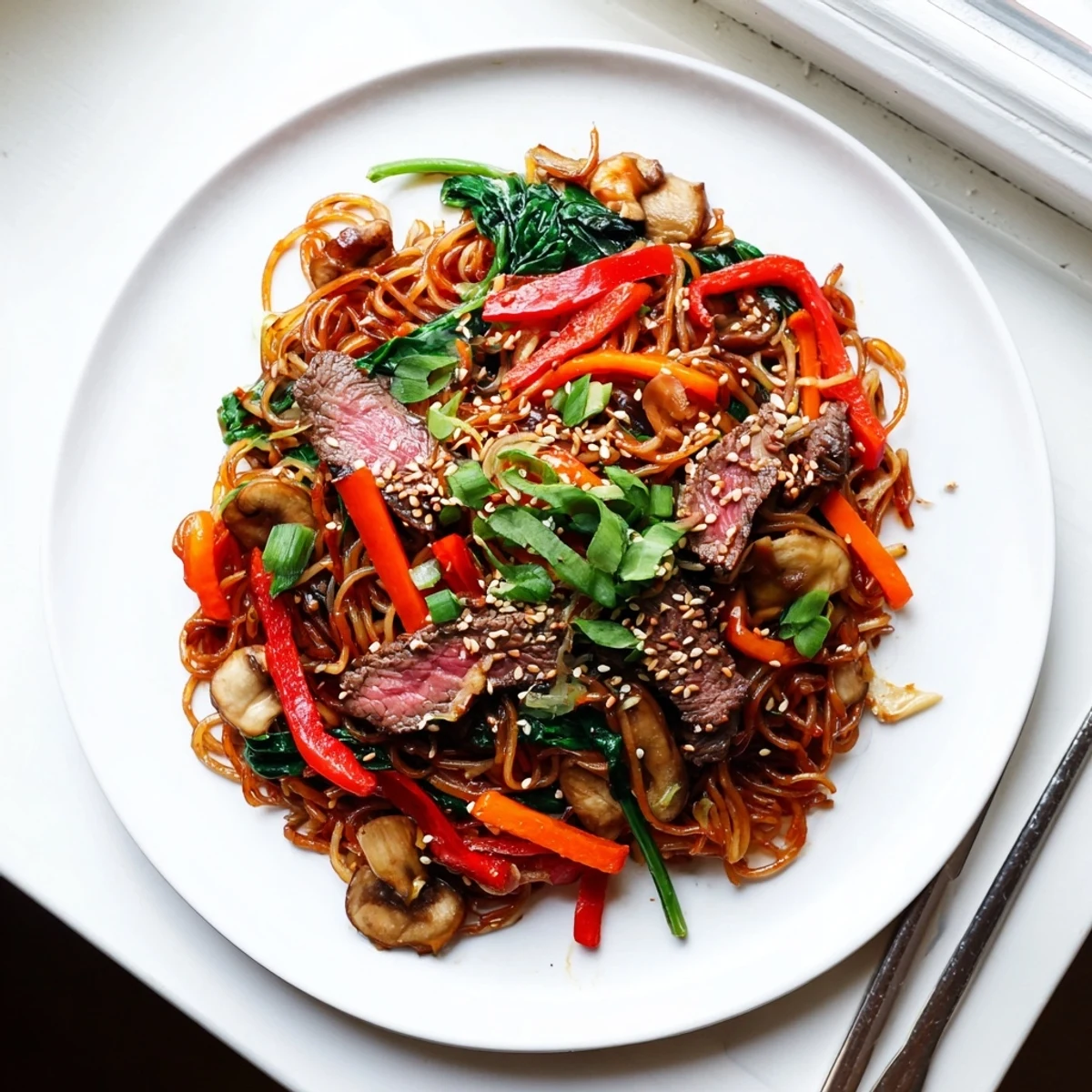
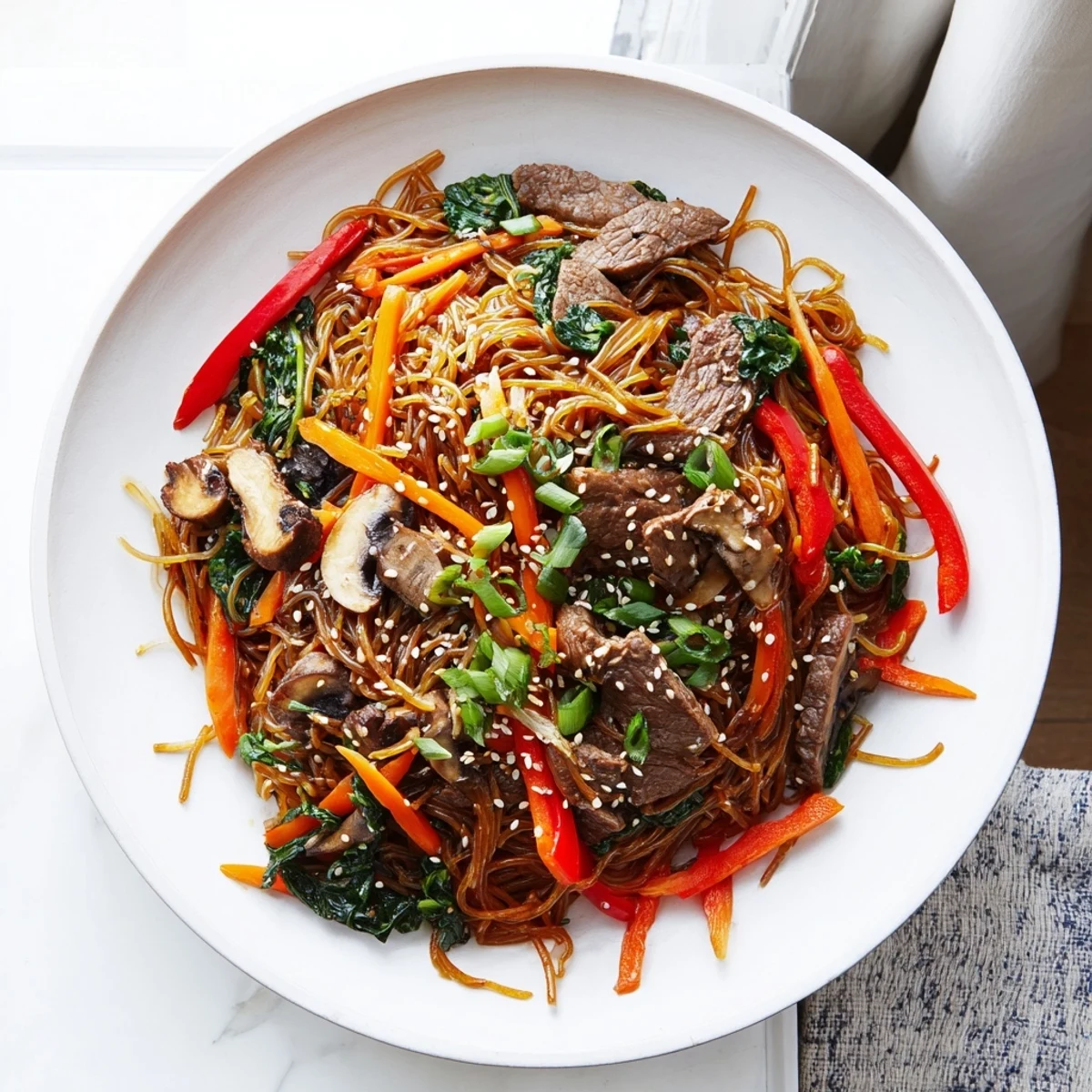
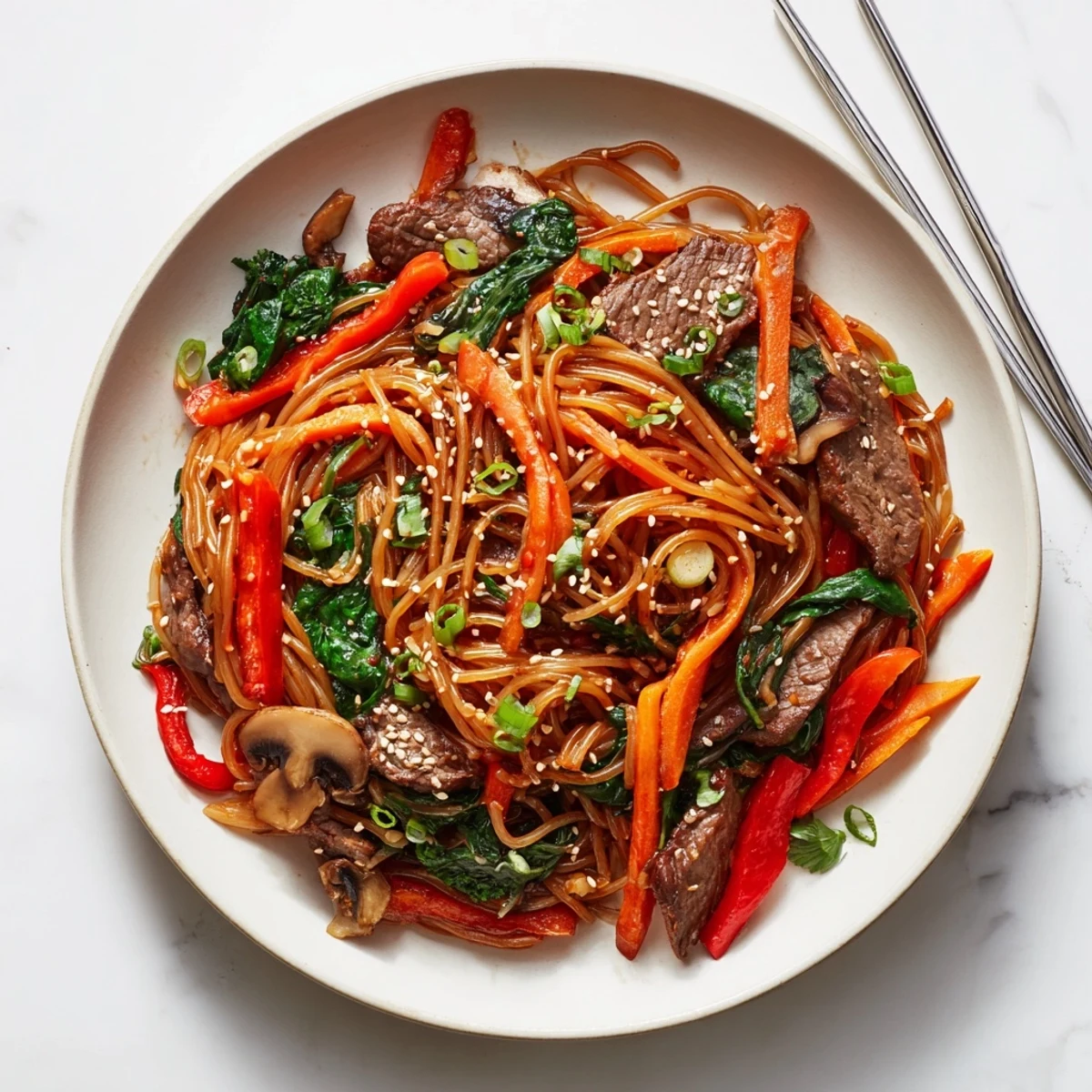
Save Enjoy tender slices of marinated beef paired with chewy sweet potato noodles and colorful vegetables, all coated in a rich, savory-sweet sauce with Korean chili paste. This hearty dish comes together in just 40 minutes and delivers a perfect balance of flavors—earthy sesame, tangy vinegar, and gentle heat from gochujang. The chewy texture of the noodles complements the tender beef and crisp-tender vegetables, creating a satisfying meal that's both comforting and exciting.
The aroma of gochujang hitting a hot wok still takes me back to my tiny apartment kitchen where I first attempted this dish. My roommate walked in sniffing the air like a cartoon character and asked what kind of magic was happening. That night we ate standing up around the stove, too impatient to even set the table, and I knew this recipe was a permanent resident in my rotation.
Last winter my sister came over feeling completely defeated by a rough week at work. I put these noodles on the table and watched her shoulders actually drop as she took the first bite. Food cannot fix everything but watching someone remember they deserve to be fed something delicious comes pretty close.
Ingredients
- Beef sirloin or ribeye: Slice it paper thin against the grain and it will be tender enough to eat with just chopsticks
- Korean sweet potato noodles: These glassy chewy noodles are what make the dish feel authentic but udon works in a pinch
- Gochujang: This fermented chili paste brings depth that plain hot sauce can only dream about
- Vegetables: Use whatever looks fresh at the market because the sauce ties everything together
Instructions
- Marinate the beef:
- Toss the sliced beef with soy sauce sesame oil sugar and garlic then let it sit while you prep everything else
- Cook the noodles:
- Boil them until just tender then rinse under cold water so they do not stick together
- Mix the sauce:
- Whisk together all the sauce ingredients until the sugar dissolves completely
- Stir fry the vegetables:
- Get your wok smoking hot then cook the carrots peppers and mushrooms until they start to char in spots
- Cook the beef:
- Sear the marinated beef quickly so it stays tender and gets nice brown edges
- Bring it all together:
- Toss the noodles vegetables and beef with the sauce until everything is coated and glossy
 Save
Save My friend who claims she cannot cook made this for her book club and they begged for the recipe. Sometimes the simplest dishes delivered with confidence are the ones that impress people the most.
Making It Your Own
The beauty of this dish is how forgiving it is. Swap beef for tofu or add more vegetables if that is what you have. I have made it with nothing but odds and ends from the fridge and it still turned into something I wanted to eat immediately.
Noodle Know How
Sweet potato noodles have this incredible bounce that makes each bite satisfying. If you cannot find them try thick rice noodles or even spaghetti in a pinch. The sauce is strong enough to carry whatever noodles you choose.
Perfect Pairings
A crisp lager cuts through the richness while chilled green tea refreshes your palate between bites. Sometimes I serve kimchi on the side because the tang and crunch balance the sweet heat perfectly. Leftovers pack beautifully for lunch the next day if there are any.
- Double the sauce and keep some in the fridge for quick weeknight stir fries
- Toast your sesame seeds in a dry pan for maximum nutty flavor
- Let the wok get properly hot before adding ingredients for the best texture
 Save
Save Good food shared with people you care about is what makes a house feel like home. Even if it starts with takeout containers and ends with doing dishes together at midnight.
Recipe FAQs
- → What type of noodles work best for this dish?
-
Korean sweet potato noodles (dangmyeon) are traditional and provide the ideal chewy texture. Dried udon noodles make an excellent alternative if dangmyeon aren't available—both hold up well in the sauce and maintain their texture when stir-fried.
- → Can I make this dish spicy?
-
Adjust the heat by increasing the gochujang amount or adding Korean chili flakes (gochugaru). The gochujang provides mild heat with deep umami notes. For more spice, add fresh sliced chilies during the vegetable stir-fry step.
- → How do I slice beef thinly for stir-frying?
-
Partially freeze the beef for 20-30 minutes before slicing—the firmer texture makes it easier to cut thin, even strips. Use a sharp knife and slice against the grain for maximum tenderness. Sirloin and ribeye both work beautifully.
- → Can I prepare this dish ahead of time?
-
Marinate the beef up to 4 hours in advance for deeper flavor. The sauce can be whisked together and refrigerated for 2-3 days. However, cook the dish just before serving for the best texture—noodles may become soggy if reheated.
- → What vegetables can I add or substitute?
-
Feel free to incorporate zucchini, broccoli florets, snap peas, or bok choy for extra variety and nutrition. The key is to add denser vegetables like carrots and broccoli first, then quick-cooking greens like spinach toward the end.
- → Is this dish gluten-free?
-
Traditional ingredients contain gluten in the soy sauce, noodles, and gochujang. To make it gluten-free, substitute tamari for soy sauce, use gluten-free rice noodles, and verify your gochujang is certified gluten-free or use a certified alternative.
