
 Save
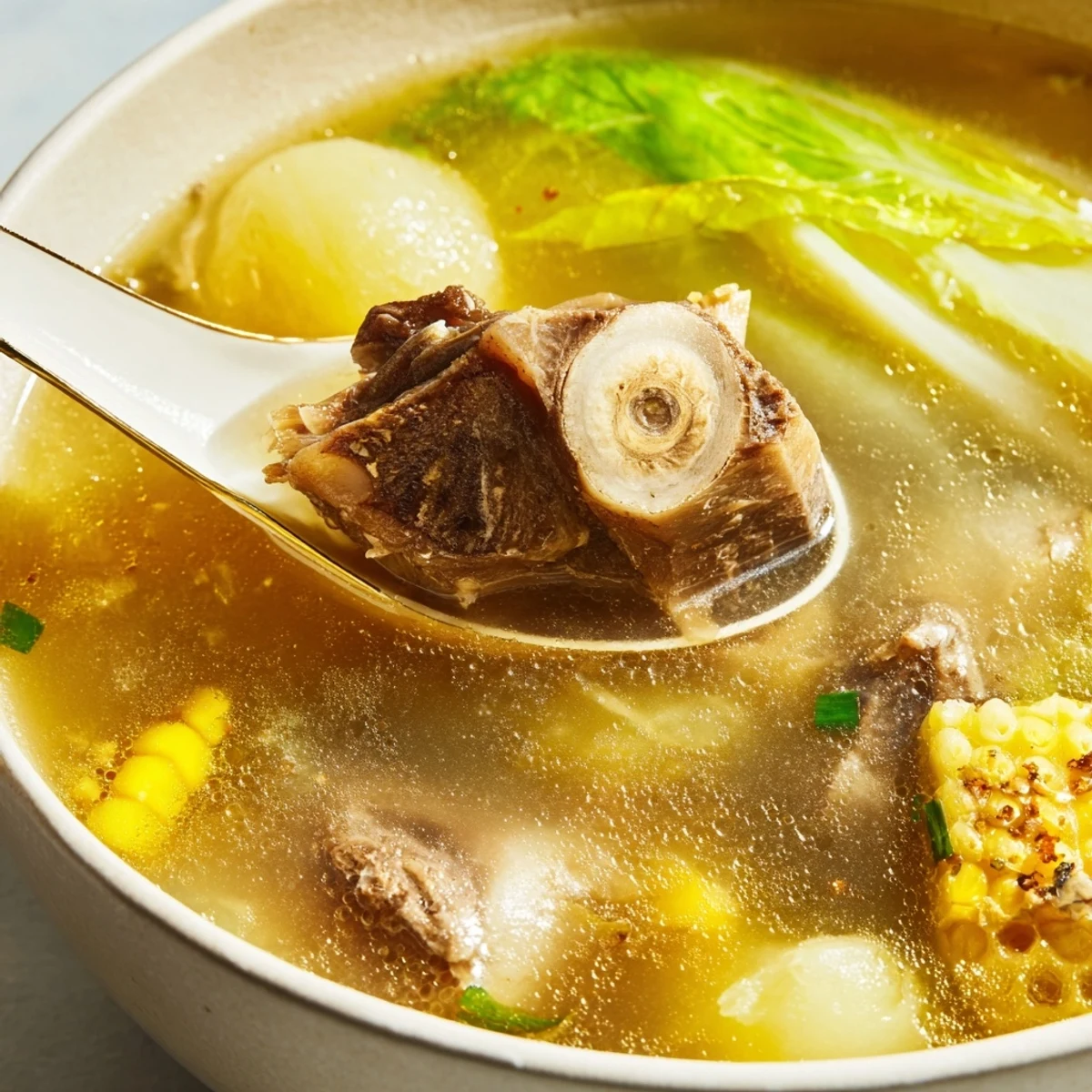
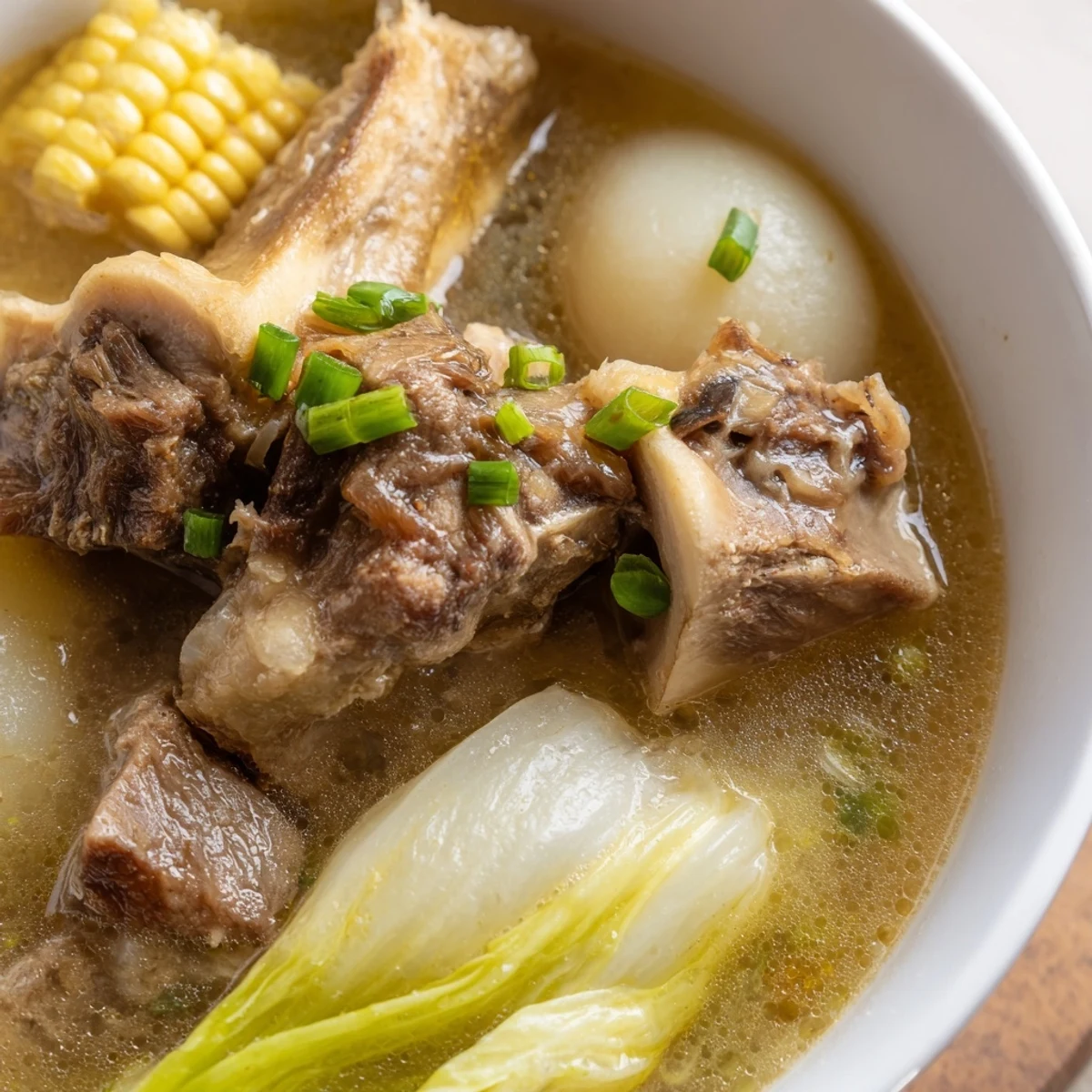
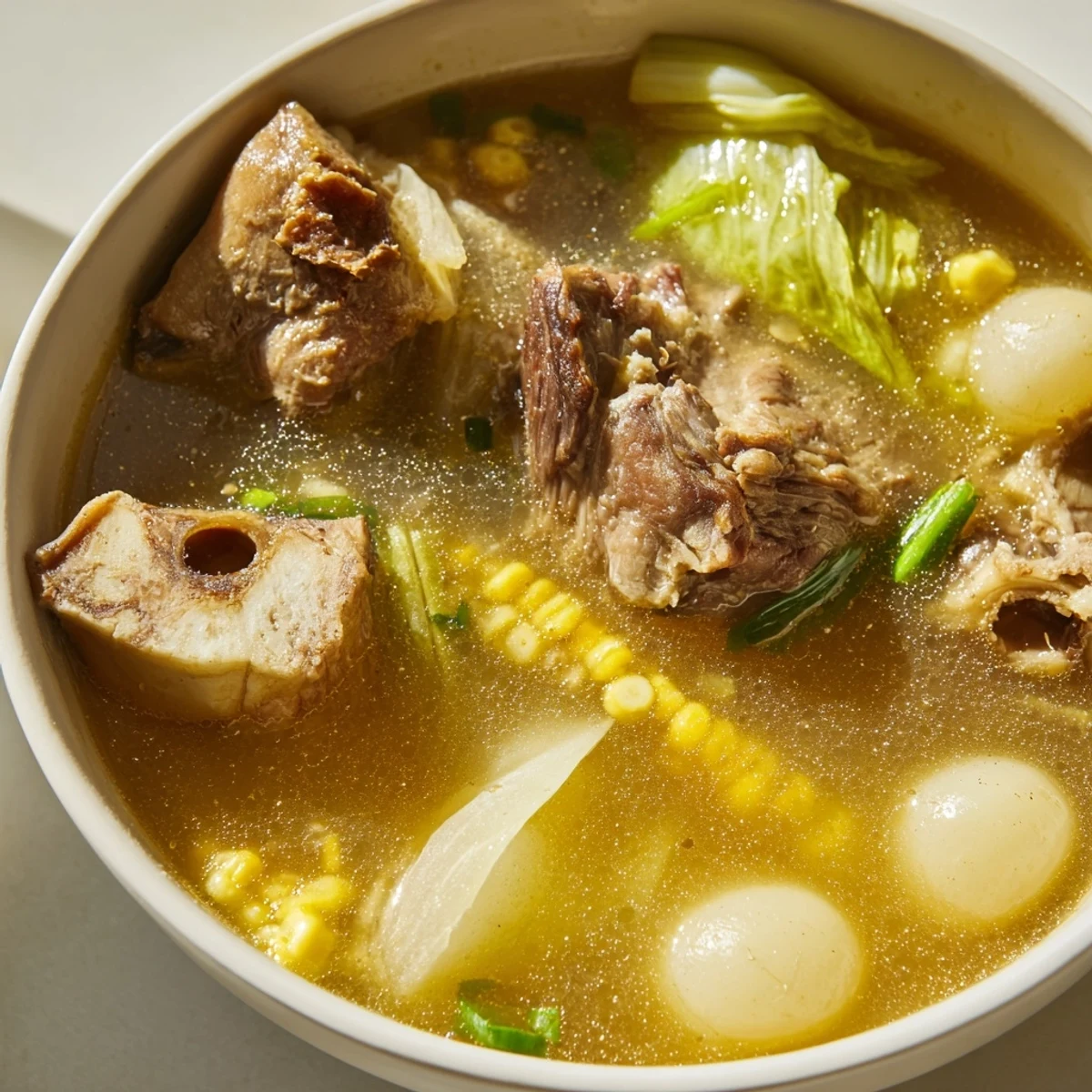
Save This hearty Filipino soup features beef shank slowly simmered until fork-tender, creating a rich, collagen-rich broth. Bone marrow adds luxurious depth and body, while corn, potatoes, carrots, and green beans provide substance. The finished bowl balances savory beef flavors with the sweetness of fresh vegetables, traditionally enjoyed with steamed rice and a squeeze of calamansi for brightness.
The first time I had bulalo was at a roadside eatery in Tagaytay, where the mist was rolling in off the Taal Lake and the steam rising from my bowl seemed to mix with the fog. I remember watching the server carefully arrange the corn, potatoes, and cabbage around the beef shank bone, and thinking how this soup felt like a warm hug in bowl form. That afternoon, I learned that bulalo isn't just soup, it's an event, something meant to be lingered over with family and friends, and I've been chasing that perfect broth ever since.
Last rainy season, my uncle came over with fresh beef shank from his favorite butcher, and we spent the entire afternoon tending to the pot, telling stories, and sampling the broth every twenty minutes. When my cousins finally arrived with steaming rice, the soup had been simmering for nearly three hours, and the way the marrow melted into the spoon made everyone go quiet for a moment. That night, with rain tapping against the windows and bowls being refilled around the table, I understood why this soup is the ultimate Filipino comfort food.
Ingredients
- 1.5 kg beef shank, bone-in with marrow: This is the heart and soul of the dish, so choose pieces with good marrow content and ask your butcher to leave the bone intact
- 500 g beef bone marrow bones: Completely optional but adds an incredible depth and richness that makes the broth extraordinary
- 2 ears corn: Use fresh corn cut into pieces, it adds natural sweetness that balances the beef
- 1 medium onion: Quartered, this foundational aromatics builds depth in the broth
- 1 medium carrot: Cut into large chunks so they dont disintegrate during the long simmer
- 250 g baby potatoes: Halved, these absorb flavor beautifully while maintaining their shape
- 1 small head napa cabbage: Cut into generous pieces, this wilts beautifully into the hot broth
- 1 small bunch green beans: Trimmed, they add a fresh crunch and color to the finished bowl
- 2-3 saba bananas: This traditional Filipino addition adds a subtle sweetness that balances the savory broth
- 10 cups water: Start with this amount, you can always adjust as needed during cooking
- 1 tablespoon whole black peppercorns: Crush them slightly to release their aromatic oils
- 2 tablespoons fish sauce: This provides the essential umami base and authentic Filipino flavor
- Salt: Adjust at the end since the fish sauce already adds salinity
- Chopped scallions: Fresh garnish adds brightness and color to the finished soup
- Calamansi or lemon wedges: The squeeze of citrus right before eating brightens everything
Instructions
- Start the broth:
- Place the beef shank and marrow bones in your largest pot and cover with water, bringing everything to a rolling boil over high heat.
- Clean the pot:
- Skim off the foam and scum that rises to the surface, then lower to a gentle simmer before adding onion, peppercorns, and fish sauce.
- Let it simmer:
- Cover and cook for about 2 hours, checking occasionally, until the beef is fork-tender and the broth has developed a rich flavor.
- Add the hard vegetables:
- Toss in potatoes and carrots, letting them simmer for 10 minutes until they start to soften but still hold their shape.
- Add the corn and beans:
- Add corn pieces, plantain slices if using, and trimmed green beans, cooking for another 10 minutes.
- Finish with cabbage:
- Stir in the napa cabbage pieces and cook for just 2-3 minutes until theyre perfectly wilted.
- Season and serve:
- Taste the broth and adjust with salt or more fish sauce, then serve hot topped with scallions alongside calamansi wedges.
 Save
Save There was this one Sunday when I made bulalo for a friend who had just come home from working abroad, and watching her face light up as she fished out the marrow from her bowl reminded me why food is so much more than sustenance. She kept saying it tasted exactly like what she had been dreaming about during those long months away, and in that moment, I realized that recipes like this carry pieces of home within them.
Making It Clearer
If you want restaurant-quality clarity in your broth, try parboiling the beef bones for five minutes, drain completely, then start fresh with clean water. This simple step removes impurities that cloud the broth without sacrificing any flavor, and the difference is remarkable in the final presentation.
The Perfect Rice Pairing
While bulalo is hearty enough to stand alone, I always serve it with plenty of steamed jasmine rice, which I sometimes fry slightly in garlic oil first. The grains soak up that rich broth like little sponges, and the garlic adds another layer of flavor that complements the beef beautifully.
Making It Ahead
Bulalo is one of those dishes that actually improves overnight, so I often make it a day ahead and reheat gently. The flavors have time to meld together, and any fat rises to the top where you can easily skim it off before reheating for a slightly lighter soup.
- Cool the soup quickly and refrigerate separately from the vegetables
- Reheat the broth first, then add vegetables just before serving
- The soup will keep for 3 days in the refrigerator or freeze for up to a month
 Save
Save I hope this recipe brings your table the same warmth and conversation that it always brings to mine, and that every spoonful feels like coming home.
Recipe FAQs
- → What makes bulalo different from other beef soups?
-
Bulalo specifically uses beef shank with bone-in, which releases marrow and collagen during slow cooking. This creates a distinctly rich, gelatinous broth that sets it apart from other clear beef soups.
- → How long should I cook the beef shank?
-
Beef shank requires 2 to 2.5 hours of gentle simmering to become fork-tender. Rushing this step will result in tough meat, so allow plenty of time for the connective tissue to break down properly.
- → Can I use other vegetables in this soup?
-
While the traditional combination includes corn, potatoes, carrots, cabbage, and green beans, you can add bok choy, pechay, or other leafy greens. Just add delicate vegetables in the last few minutes to prevent overcooking.
- → Why is parboiling recommended?
-
Parboiling the beef briefly and discarding the water removes impurities and scum, resulting in a clearer, cleaner-tasting broth. This extra step elevates the final presentation and flavor profile.
- → What can I substitute for fish sauce?
-
Fish sauce provides essential umami and saltiness. You can substitute with soy sauce, though the flavor profile will change slightly. Adjust salt accordingly and consider adding a small amount of bonito flakes for depth.
- → Is saba banana necessary?
-
Saba banana adds subtle sweetness and is traditional, but it's optional. The soup remains delicious without it. If unavailable, you can omit or substitute with regular plantain, though the flavor will differ slightly.
