
 Save
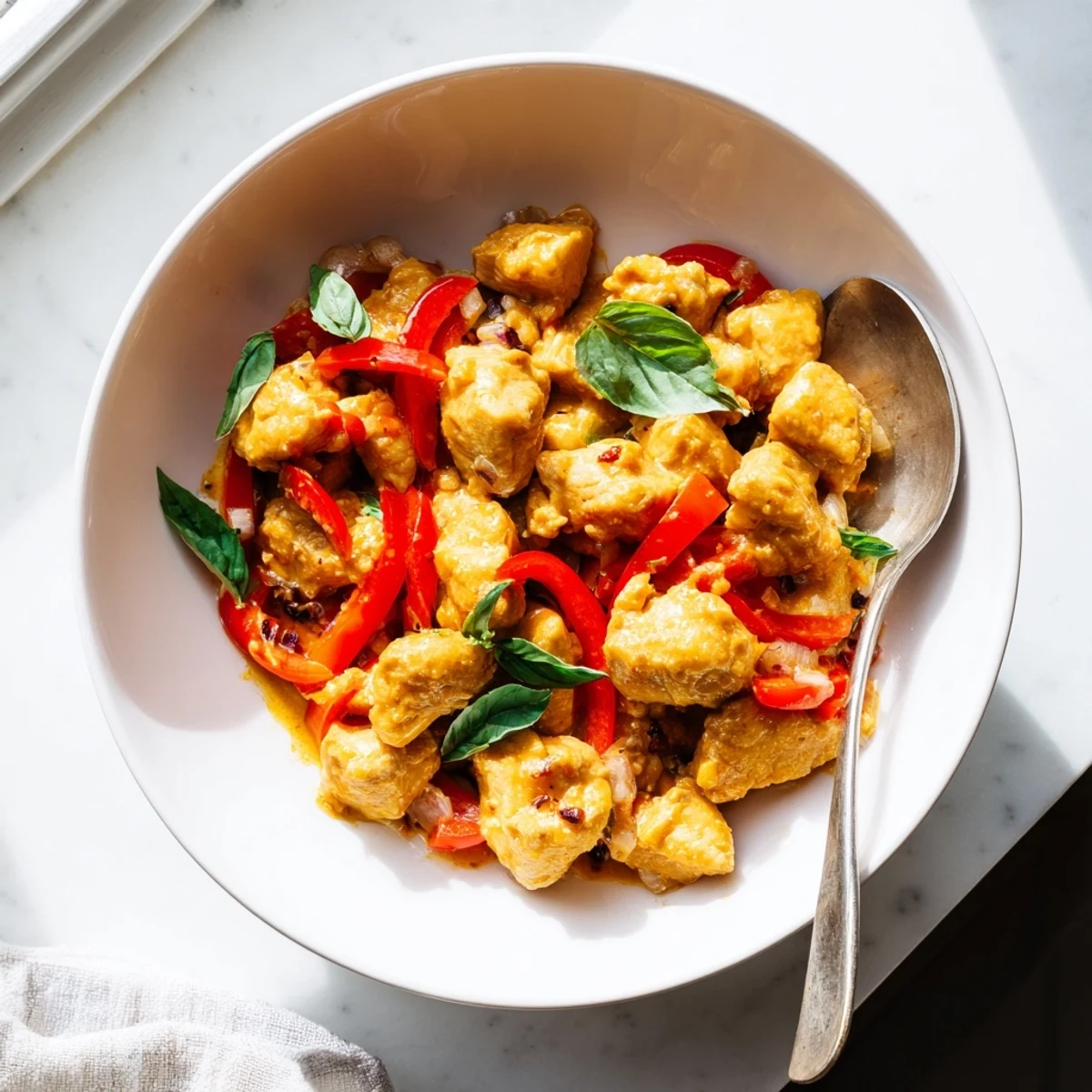
Save Succulent chicken pieces are marinated in soy sauce and cornstarch, then pan-seared to golden perfection. The protein simmers in a luscious coconut milk infused with red curry paste, garlic, ginger, and aromatic vegetables. Fresh basil adds bright herbal notes that balance the rich, creamy sauce. Ready in under an hour, this gluten-free main serves four and pairs beautifully with steamed jasmine rice.
The first time I made this curry, I was rushing to get dinner on the table before friends arrived. I accidentally added extra basil because I was chopping while talking, and that happy mistake became the version everyone now requests. The kitchen smelled incredible—like coconut milk warming up with garlic and ginger mingling together. My friend walked in and immediately asked what perfume I was wearing, but it was just dinner.
Last winter, my neighbor came over after she'd had a terrible day at work. I served this curry over steaming jasmine rice, and we sat at my tiny kitchen table while the snow fell outside. She took one bite and stopped talking completely—just closed her eyes for a moment. Food can't fix everything, but watching her shoulders drop as she ate was pretty close to magic.
Ingredients
- Chicken: Thighs stay juicier than breasts through the simmer, but either works beautifully if you slice them evenly so everything cooks at the same pace
- Cornstarch marinade: This tiny step is what makes the chicken feel tender and velvety instead of tough and dry—don't skip it even if you're in a hurry
- Full-fat coconut milk: I've tried the light version and it just doesn't give you that luxurious, silky sauce that clings to the rice
- Fresh basil: Stir it in at the very end so it stays bright and fragrant, adding this gorgeous herbal freshness that cuts through the rich coconut
Instructions
- Marinate the chicken:
- Toss the chicken pieces with soy sauce and cornstarch until each piece is lightly coated. Let it sit for about 10 minutes while you prep your vegetables—the cornstarch needs a moment to start working its magic on the texture.
- Sear the chicken:
- Heat half the oil in a large skillet or wok over medium-high heat until it shimmers. Add the chicken in a single layer and let it cook undisturbed for a minute or two to develop a golden brown color, then stir-fry until cooked through, about 5 to 7 minutes. Remove and set aside on a plate.
- Build the aromatics:
- Add the remaining oil to the pan and toss in the onion, cooking until it softens and starts to turn translucent, about 2 minutes. Add the garlic, ginger, and bell pepper, stirring constantly until the kitchen fills with that incredible ginger-garlic perfume, another 2 to 3 minutes.
- Bloom the curry paste:
- Stir in the red curry paste and turmeric, cooking for about 1 minute while constantly stirring. This step wakes up the spices and makes the whole house smell amazing—watch carefully so it doesn't scorch.
- Simmer the sauce:
- Pour in the coconut milk, fish sauce, brown sugar, lime juice, salt, and pepper. Stir everything together and bring it to a gentle simmer, letting the flavors meld and the sauce thicken slightly, about 2 to 3 minutes.
- Combine and finish:
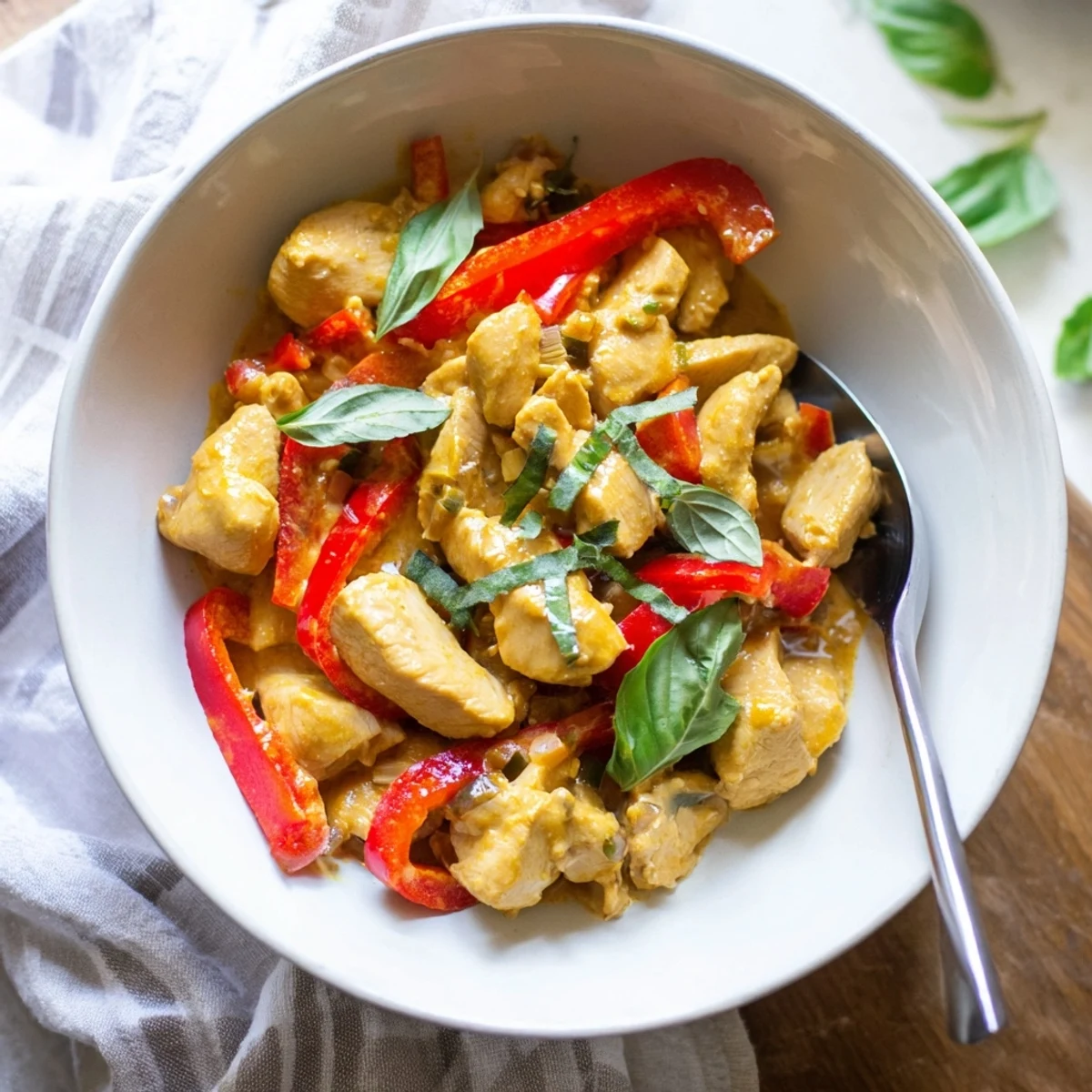
- Return the chicken to the pan and let everything simmer together for 5 to 7 minutes until the sauce has thickened to your liking and the chicken is completely tender. Stir in the chopped basil right at the end, just until it wilts and releases its fragrance.
 Save
Save This recipe has become my go-to when someone needs comforting. Last month, my sister was recovering from surgery and I brought over a container of this curry. She texted me later that night saying it was the first thing she'd actually wanted to eat in days. Sometimes the simplest recipes are the ones that stick around.
Make It Your Own
I love adding baby spinach or snap peas during the last few minutes of simmering for extra color and nutrition. Sometimes I throw in a handful of cashews for crunch, especially if I'm serving it over cauliflower rice instead of jasmine rice.
Heat Level Matters
Red curry paste varies wildly between brands—some are mild and others will knock your socks off. Start with what's called for and taste before adding more. I've learned to always have a slice of bread ready just in case I get too confident with the spice.
Serving Suggestions
This curry reheats beautifully for lunch the next day, and honestly the flavors only get better after they've had time to meld. I always make extra rice specifically for leftovers.
- Jasmine rice is classic, but cauliflower rice works beautifully if you're watching carbs
- A squeeze of fresh lime right before serving brightens everything
- Extra basil on top isn't just pretty—it adds a fresh herbal punch
 Save
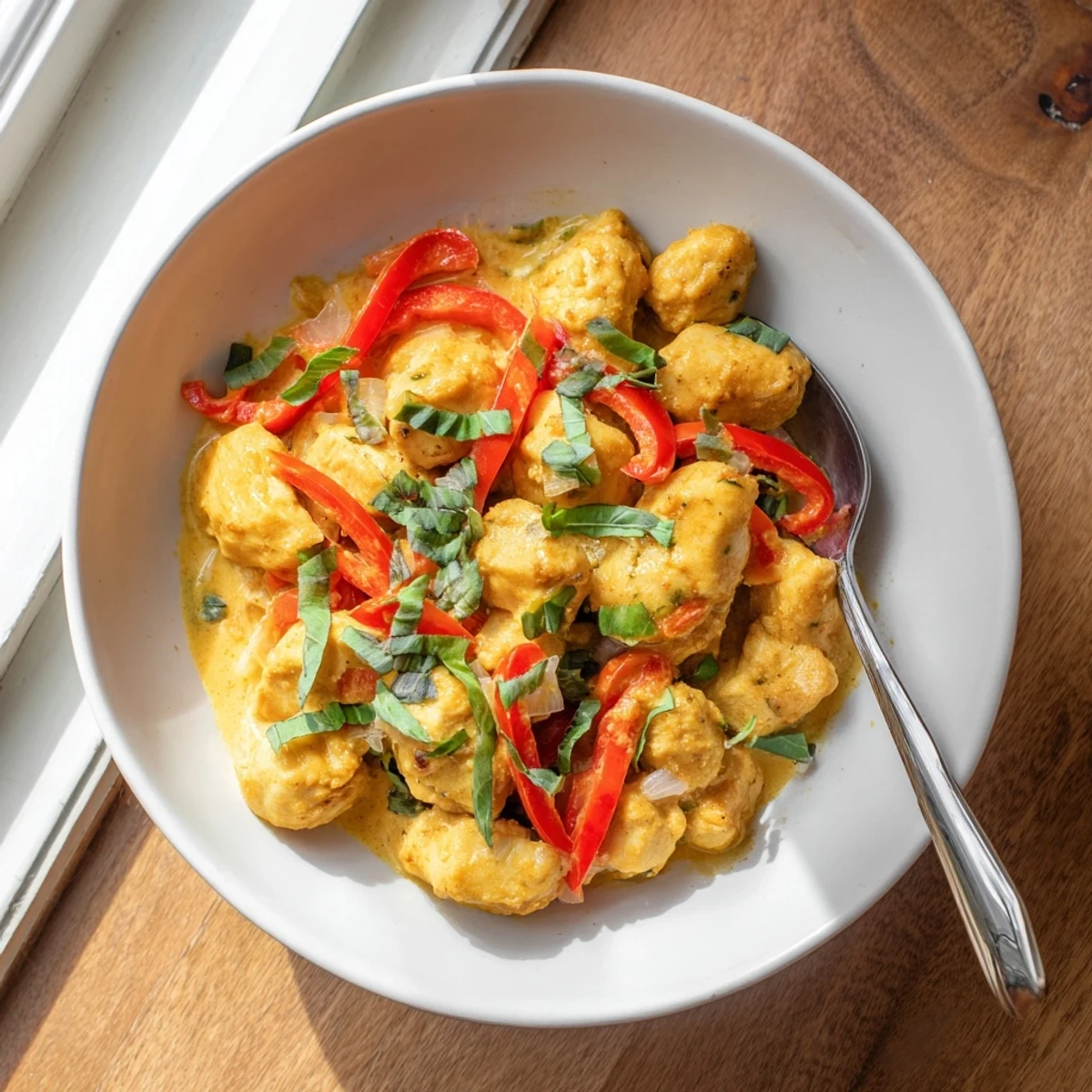
Save There's something so satisfying about a recipe that feels indulgent but comes together so easily. Grab a fork and dig in.
Recipe FAQs
- → How spicy is this dish?
-
The heat level depends on your red curry paste. Most commercial pastes offer medium spiciness. Add fresh chili peppers during sautéing for extra heat, or reduce curry paste for milder flavor.
- → Can I make this vegetarian?
-
Yes. Substitute chicken with firm tofu cubes and replace fish sauce with soy sauce or a vegetarian fish sauce alternative. The cooking time remains similar.
- → What rice works best?
-
Steamed jasmine rice is traditional and absorbs the creamy sauce beautifully. For low-carb options, try cauliflower rice or quinoa as lighter alternatives.
- → How long does it keep?
-
Store in an airtight container in the refrigerator for up to 3 days. The flavors actually deepen overnight. Reheat gently on the stovetop, adding splash of coconut milk if needed.
- → Can I freeze this?
-
Yes, freeze for up to 2 months. Cool completely before transferring to freezer-safe containers. Thaw overnight in refrigerator and reheat on stovetop over medium heat.
- → What curry paste should I use?
-
Thai red curry paste is traditional. Look for brands with shrimp paste for authentic flavor. Green or yellow curry paste work as substitutes, though flavor profile will change slightly.
