
 Save
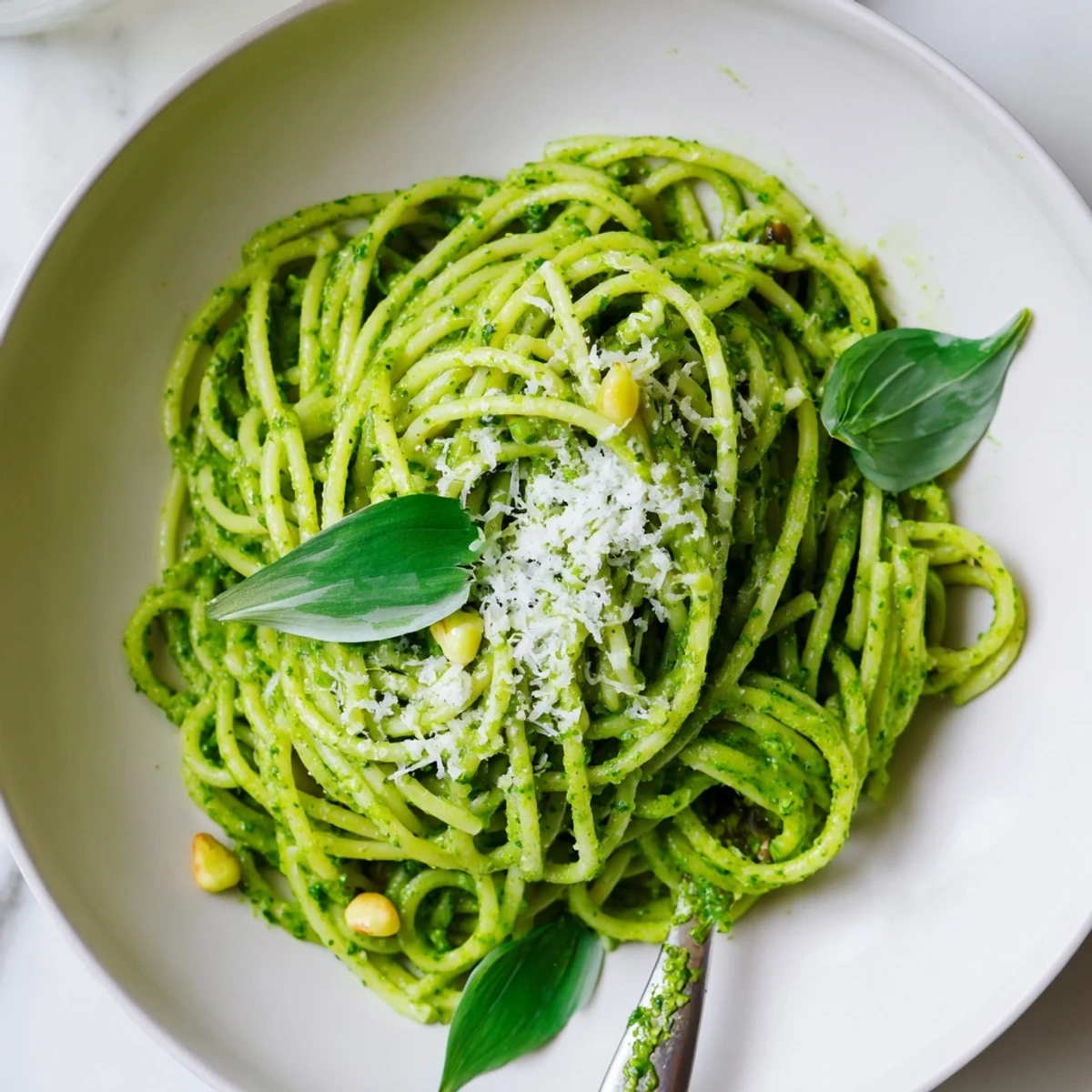
Save This wild garlic pesto pasta comes together in just 25 minutes, making it an ideal weeknight dinner when wild garlic is in season. The pesto is blitzed raw in a food processor, preserving the bright, aromatic flavor of the leaves.
Pine nuts and Parmesan add richness and depth, while a splash of pasta cooking water creates a silky sauce that clings to every strand. It's a simple yet impressive dish that celebrates the best of spring produce.
There is a narrow lane behind my friends cottage in Somerset where wild garlic takes over every inch of ground from late March through May. The smell hits you before you see it, this pungent green perfume that makes you stop mid conversation and think about dinner immediately. I stuffed an entire tote bag with leaves that afternoon and drove home with my car smelling like an Italian grandmothers garden.
My partner walked into the kitchen while I was pulsing the first batch and stood there speechless for a moment because the color was almost unreal, brighter than anything we normally eat on a Tuesday. We ended up eating standing over the counter, twirling forkfuls straight from the pot, barely remembering to sprinkle the extra cheese on top.
Ingredients
- Dried pasta (400 g, spaghetti or linguine): Long strands work beautifully here because they carry the pesto in their folds and every bite feels coated without being heavy.
- Salt (1 tbsp for pasta water): This is not the moment to skimp, the water should taste like mild seawater because the pasta absorbs seasoning as it cooks and the pesto alone cannot carry all the salt.
- Wild garlic leaves (80 g, washed): The star of the show, so pick leaves that are vibrant and unblemished, and wash them thoroughly because grit hiding in the curls will ruin an otherwise perfect sauce.
- Pine nuts (30 g, or walnuts): Pine nuts give a buttery sweetness but walnuts add an earthy depth that actually pairs even better with the wild garlic if you want to lean into the foraged vibe.
- Grated Parmesan (50 g): Use the real stuff in a block and grate it yourself because pre grated carries anti caking agents that make the pesto gritty instead of creamy.
- Extra virgin olive oil (80 ml): A good fruity olive oil ties everything together, so reach for the bottle you would happily dip bread into.
- Garlic clove (1 small, optional): Wild garlic is already garlicky so this is purely optional, but a tiny clove can round out the sharpness if your leaves are very young and mild.
- Lemon juice (half a lemon): Just a squeeze lifts the whole pesto and stops it from feeling flat or oily, especially important when wild garlic has an intense flavor that needs balancing.
- Salt and black pepper: Season gradually and taste as you go because the Parmesan already contributes salt and it is easier to add than to fix an oversalted paste.
Instructions
- Get the pasta going:
- Bring a large pot of well salted water to a rolling boil and cook your pasta according to the package until just tender with a slight bite at the center. Scoop out half a cup of that starchy cooking water before you drain because that liquid is pure gold for loosening the pesto later.
- Build the pesto:
- Toss the wild garlic leaves, pine nuts, Parmesan, olive oil, optional garlic clove, lemon juice, and a generous pinch of salt and pepper into your food processor. Blitz until you get a gorgeous bright green paste, scraping down the sides once or twice, then taste it and trust your own palate before adjusting anything.
- Marry them together:
- Drain the pasta and dump it back into the warm pot, then spoon the pesto over the top and toss vigorously with tongs. Add splashes of the reserved pasta water until the sauce turns silky and clings to every strand instead of sitting in a clump at the bottom.
- Finish and serve:
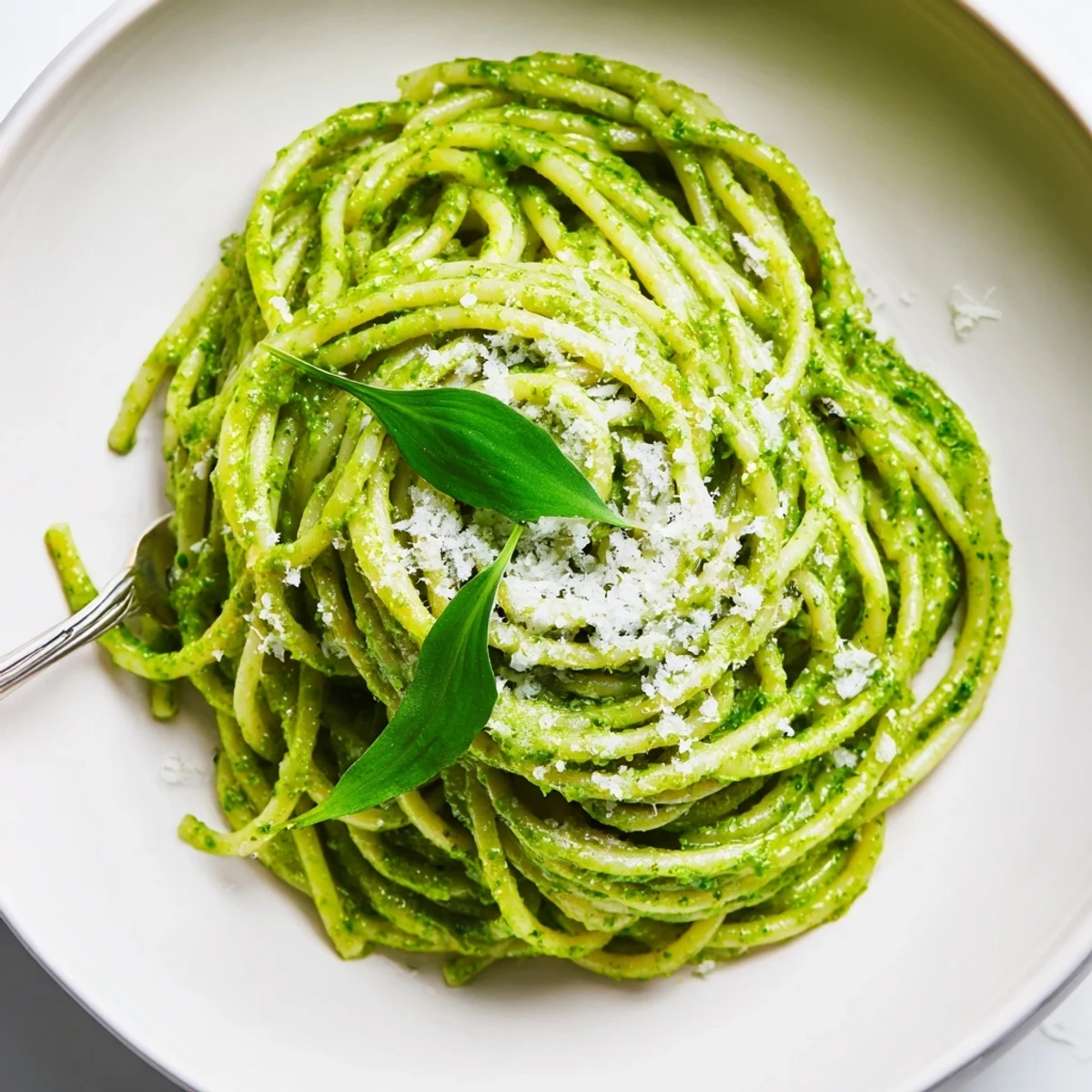
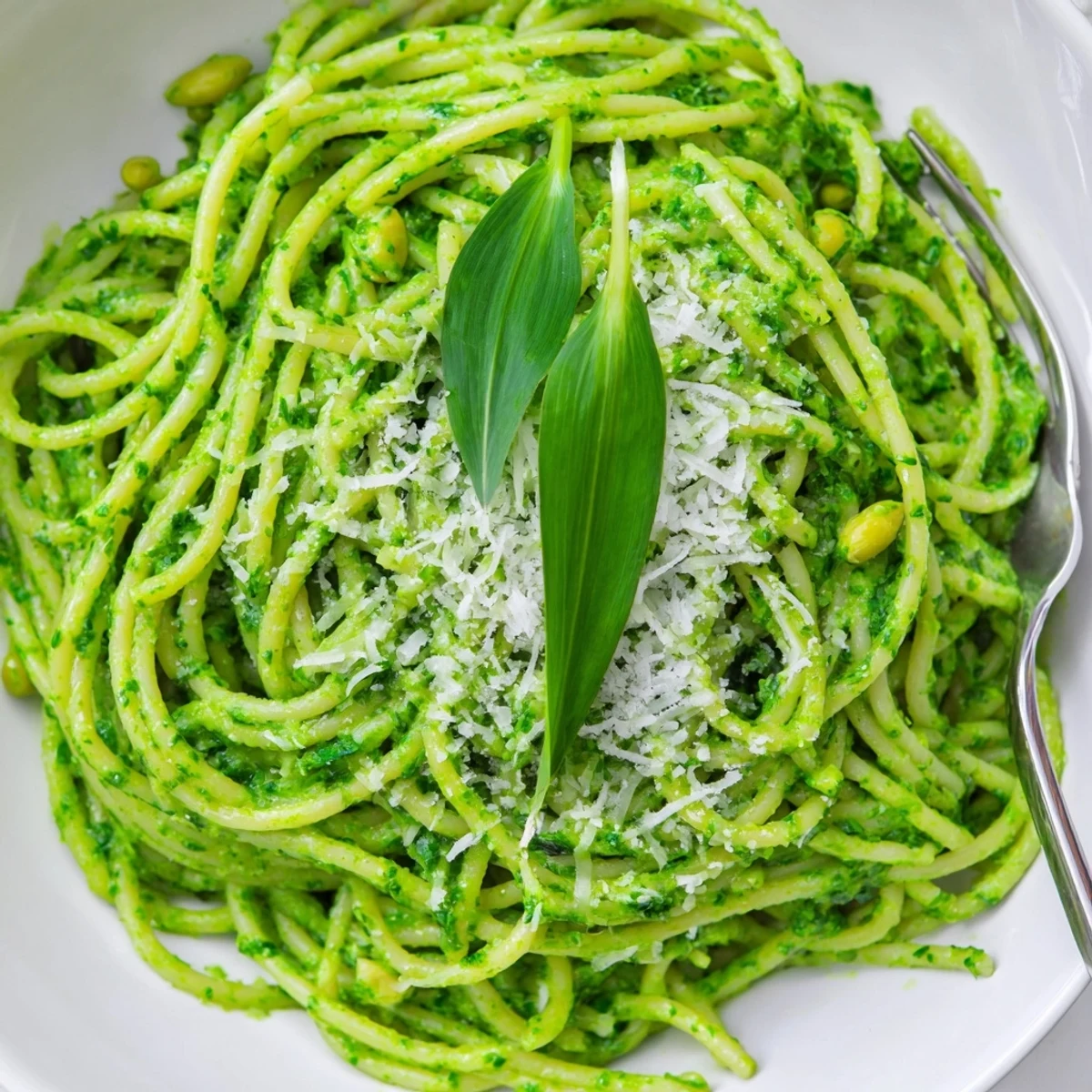
- Plate immediately while everything is piping hot and shower with extra Parmesan and a few whole wild garlic leaves or edible flowers if you have them. This dish waits for no one so call everyone to the table before you even lift the pan.
 Save
Save We brought a big bowl of this to a potluck at the community garden the following weekend and three separate people asked if I had secretly ordered it from a restaurant downtown.
What to Serve Alongside
A simple green salad with a sharp vinaigrette cuts through the richness of the pesto beautifully, and a chilled glass of Pinot Grigio or Sauvignon Blanc turns the whole meal into something that feels almost leisurely. Crusty bread for soaking up any extra sauce on the plate is not optional in my house, it is a requirement.
Making It Your Own
Swap the pine nuts for toasted almonds or sunflower seeds if allergies are a concern, and use nutritional yeast in place of Parmesan to make it fully vegan without losing that savory depth. If wild garlic season has passed, a mix of basil and a single regular garlic clove gets you remarkably close to the same spirit.
Keeping Leftovers Happy
This pasta is best eaten the moment it is made but leftover pesto will keep in a jar in the fridge for up to three days if you pour a thin layer of olive oil on top to seal out the air.
- Toss leftover pasta with a splash of water and reheat gently in a pan rather than the microwave to keep the texture alive.
- Extra pesto is incredible spread on toast with a fried egg or stirred into soup at the last minute.
- Remember that the noodles will absorb more sauce as they sit so always save a little extra pesto on the side.
 Save
Save Every spring I catch myself checking the ditches and hedgerows along our road, scanning for that telltale flash of green, and my partner just sighs and starts clearing space on the kitchen counter before I even ask.
Recipe FAQs
- → Where can I find wild garlic?
-
Wild garlic (also called ramsons) grows abundantly in damp woodland areas during spring, typically from March to May. You can forage it yourself or find it at farmers' markets and specialty greengrocers during its short season.
- → Can I make the pesto ahead of time?
-
Yes, the pesto can be prepared up to 3 days in advance and stored in an airtight container in the fridge. Press a thin layer of olive oil on top to prevent oxidation and keep the vibrant green color.
- → What's the best pasta shape for this dish?
-
Long strands like spaghetti or linguine work beautifully, but any pasta shape will do. Fusilli or penne are great alternatives as their ridges and curves hold the pesto well.
- → How do I make this dish vegan?
-
Replace the Parmesan with nutritional yeast for a similar umami flavor. Use around 40 g of nutritional yeast and adjust seasoning to taste. The result is equally delicious and entirely plant-based.
- → Can I freeze wild garlic pesto?
-
Absolutely. Freeze the pesto in ice cube trays for individual portions, then transfer to a freezer bag. It keeps well for up to 6 months. Thaw in the fridge before tossing with freshly cooked pasta.
- → What can I substitute for pine nuts?
-
Walnuts, almonds, cashews, or sunflower seeds all work well as alternatives. Toast them lightly in a dry pan before blending to enhance their flavor and add a deeper, nuttier note to the pesto.
