
 Save
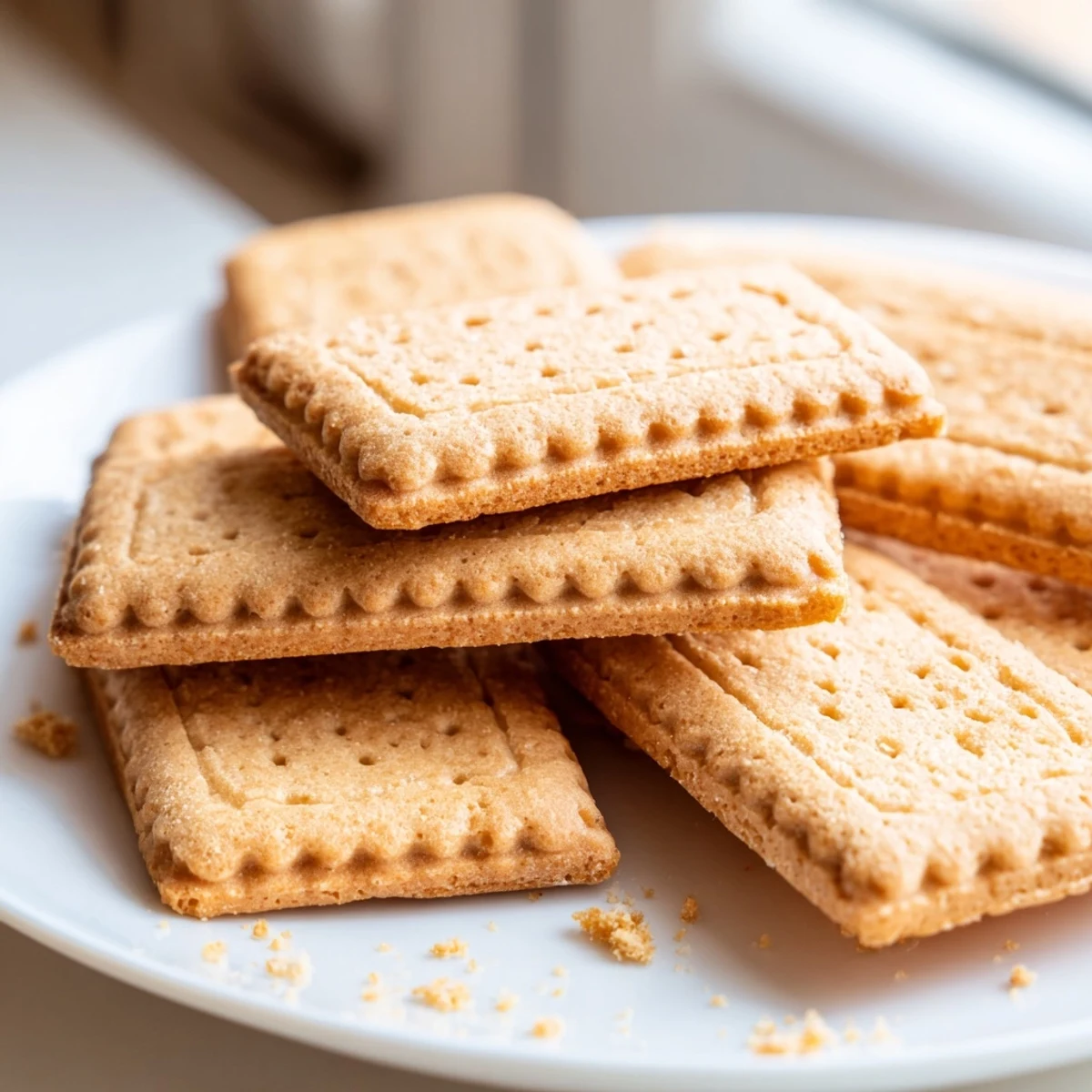
Save Le petit beurre est un biscuit français emblématique, reconnu pour sa texture croustillante et sa couleur dorée. Réalisé à partir d'une pâte simple à la farine, au beurre doux et au sucre, il se déguste à tout moment de la journée.
Après un repos d'une heure au réfrigérateur, la pâte est étalée finement, découpée avec un emporte-pièce rectangulaire cannelé et piquée à la fourchette avant cuisson. Le résultat : des biscuits légers et savoureux, parfaits pour le goûter ou l'accompagnement d'une boisson chaude.
My neighbor Madame Chenard used to slip petit beurre biscuits into my school bag every Tuesday morning, wrapped in a napkin that smelled faintly of lavender detergent and butter. I never thanked her properly for those quiet little gifts. Thirty years later, I finally attempted them myself on a rainy Sunday when the cupboards were bare and nostalgia hit hard, and the first tray came out of the oven looking like something a proud grandmother would inspect with a raised eyebrow.
I baked a batch of these for a friend who was going through a rough divorce, and she called me at midnight to say she had eaten twelve of them standing at the kitchen counter in her socks, dunking each one into cold milk like a child again. That is the quiet power of a plain biscuit.
Ingredients
- 200 g all purpose flour: This is the backbone of the biscuit, and you want to spoon it into your measuring cup rather than scooping directly from the bag to avoid packing it too densely.
- 100 g granulated sugar: Just enough sweetness without tipping into cookie territory, keeping the biscuit honest and tea friendly.
- 100 g unsalted butter: Good butter makes or breaks this recipe, so use the best quality you can find, and let your taste buds thank you later.
- 50 ml whole milk: Whole milk matters here because the fat contributes to tenderness that skim simply cannot replicate.
- 5 g baking powder (half a packet): A gentle lift that keeps the biscuits from turning into hard little tiles.
- 1 pinch of salt: Do not skip this, because salt is what makes the butter taste like butter instead of just fat.
- 1 vanilla bean (or 1 packet vanilla sugar): Scraping a real bean is worth the effort, but vanilla sugar is the traditional shortcut and works beautifully.
Instructions
- Melt and blend the wet base:
- In a small saucepan over low heat, melt the butter with the milk until it just comes together, then stir in the sugar and vanilla until the sugar dissolves completely and the kitchen starts to smell like a warm promise.
- Let the mixture cool slightly:
- Pour the warm liquid into a mixing bowl and give it a minute to lose its edge so the flour does not cook on contact.
- Bring the dough together:
- Add the flour, baking powder, and salt all at once, then stir with a wooden spoon until a soft, cohesive dough forms and pulls away from the sides of the bowl without sticking to your fingers.
- Rest the dough in the refrigerator:
- Shape the dough into a ball, wrap it tightly in plastic wrap, and tuck it into the fridge for one full hour so it firms up enough to roll without becoming a stubborn mess.
- Preheat your oven:
- Set the oven to 180 degrees Celsius with conventional heat so the elements do not surprise you with hot spots during baking.
- Roll and cut the biscuits:
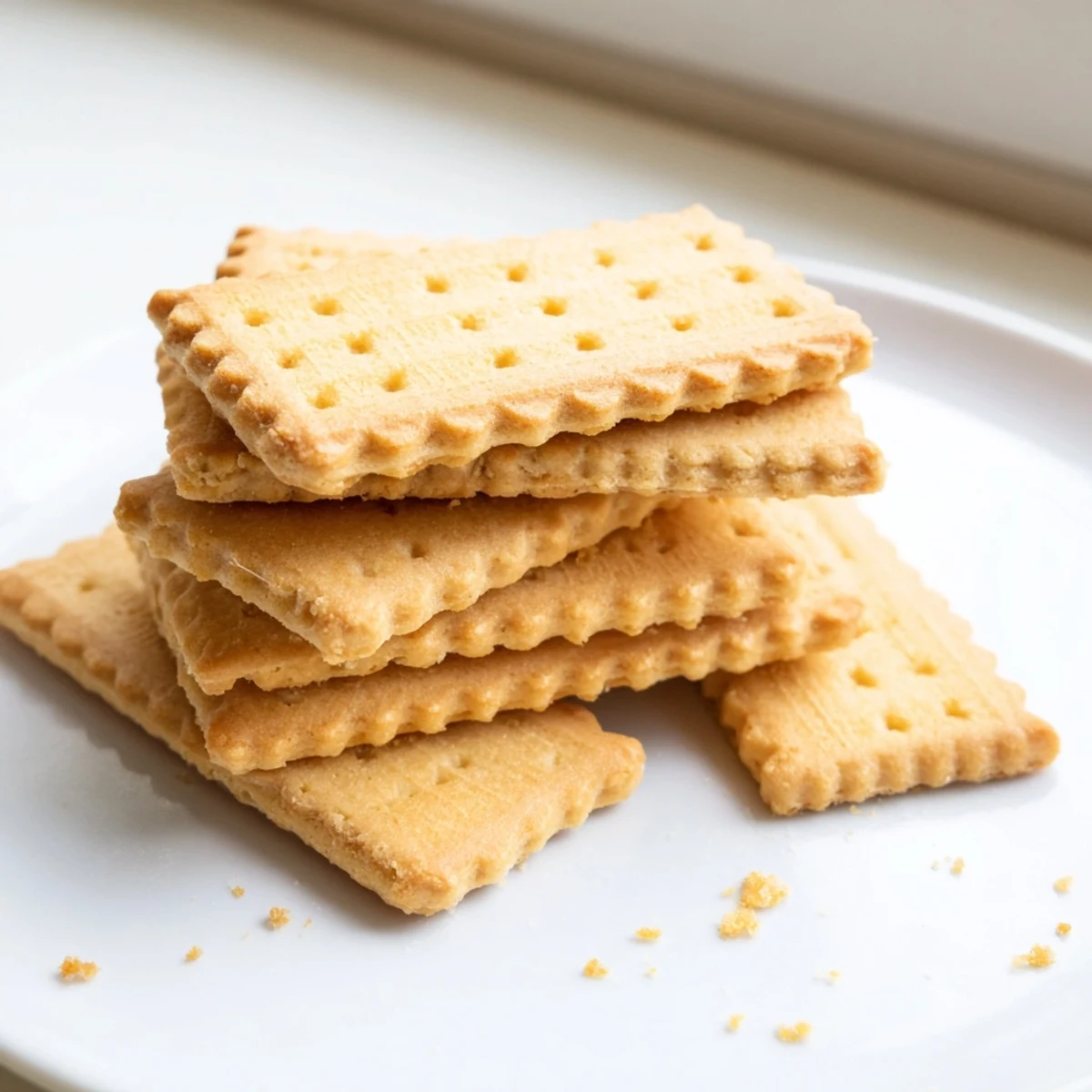
- On a lightly floured surface, roll the dough to an even three to four millimeter thickness, then cut out rectangles with a fluted cutter, pressing firmly and transferring each one to your lined baking sheet with a gentle hand.
- Prick and bake:
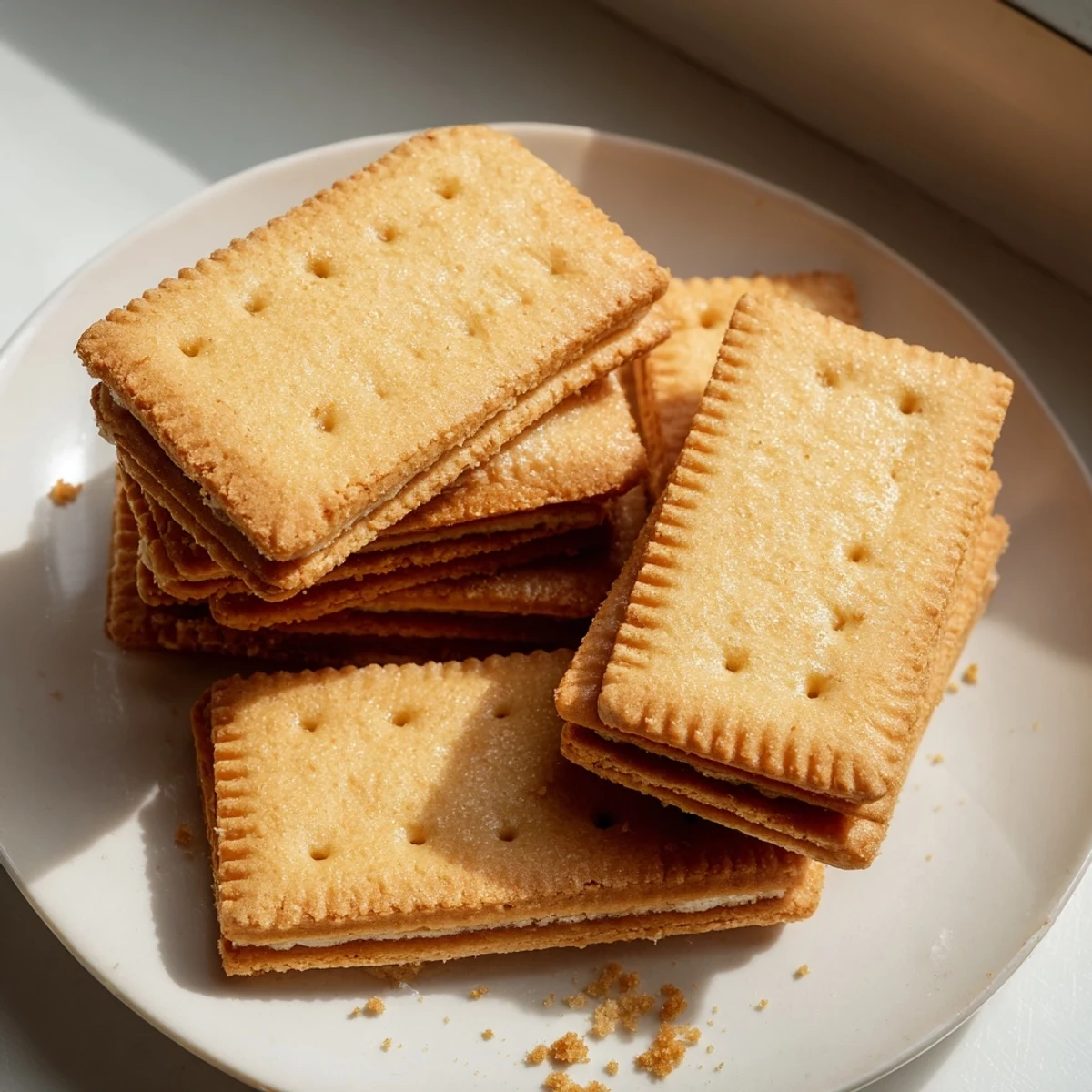
- Dot each biscuit with fork pricks in a tidy pattern, then slide the tray into the oven for twelve minutes until the edges turn a pale gold that signals crispness without bitterness.
- Cool on a wire rack:
- Let the biscuits cool completely on a rack so air circulates underneath and the bottoms stay dry and snappy rather than softening from trapped steam.
 Save
Save The afternoon I finally nailed the texture, my daughter walked through the door, grabbed one without asking, and said nothing for a full minute while she chewed, then whispered that they tasted exactly like the ones from the little shop near our old apartment in Lyon.
Storing Your Biscuits Properly
Once completely cool, transfer the biscuits to an airtight tin lined with parchment paper, where they will stay crisp and lovely for up to two weeks, though in my house they rarely survive past day four. A cookie tin with a tight seal is far better than a plastic bag, which introduces humidity and softens the edges you worked so carefully to achieve.
Fun Ways to Vary the Classic
A tablespoon of lemon zest folded into the dough brightens everything and pairs especially well with afternoon Earl Grey. You can also melt dark chocolate and dip half of each biscuit, setting them on parchment until the chocolate hardens into a thin, satisfying shell that snaps when you bite.
What to Serve Alongside
Petit beurre biscuits were practically designed for dunking, and a strong cup of black tea or a small espresso brings out their subtle vanilla warmth in a way that eating them plain never quite manages.
- Try them alongside a pot of chamomile tea on a quiet evening when you need comfort without complication.
- Crush a handful over vanilla ice cream for an effortless dessert that feels surprisingly intentional.
- Always let the biscuits rest until completely cool before storing, because even a trace of warmth will create condensation and steal their crunch.
 Save
Save Some recipes are about showing off, but this one is about showing up, with flour on your apron and a kettle on the stove, ready to share something small and genuine with whoever walks through your door.
Recipe FAQs
- → Pourquoi laisser reposer la pâte au réfrigérateur ?
-
Le repos au frais permet au beurre de se solidifier, ce qui rend la pâte plus facile à étaler et à découper. Il détend également le gluten de la farine pour une texture plus croustillante après cuisson.
- → Comment obtenir des biscuits bien dorés et uniformes ?
-
Étalez la pâte de manière régulière sur 3 à 4 mm d'épaisseur et veillez à ce que votre four soit bien préchauffé à 180°C. Une cuisson de 12 minutes en chaleur statique permet une dorure homogène.
- → Peut-on parfumer les petits beurre autrement qu'à la vanille ?
-
Oui, vous pouvez ajouter des zestes de citron, de l'extrait d'amande amère, de la cannelle ou même des épices comme le gingembre pour varier les saveurs selon vos envies.
- → Combien de temps se conservent les petits beurre ?
-
Conservez-les dans une boîte hermétique à température ambiante. Ils restent croustillants et savoureux pendant une à deux semaines sans problème.
- → Peut-on les enrober de chocolat ?
-
Absolument. Faites fondre du chocolat noir ou au lait et plongez la moitié de chaque biscuit dedans. Laissez figer sur une grille pour une gourmandise encore plus irrésistible.
- → Quel emporte-pièce utiliser si je n'ai pas le modèle traditionnel ?
-
Un emporte-pièce rectangulaire cannelé est idéal pour l'authenticité, mais vous pouvez utiliser n'importe quelle forme : rond, carré ou même des emporte-pièces festifs pour varier le plaisir.
