
 Save
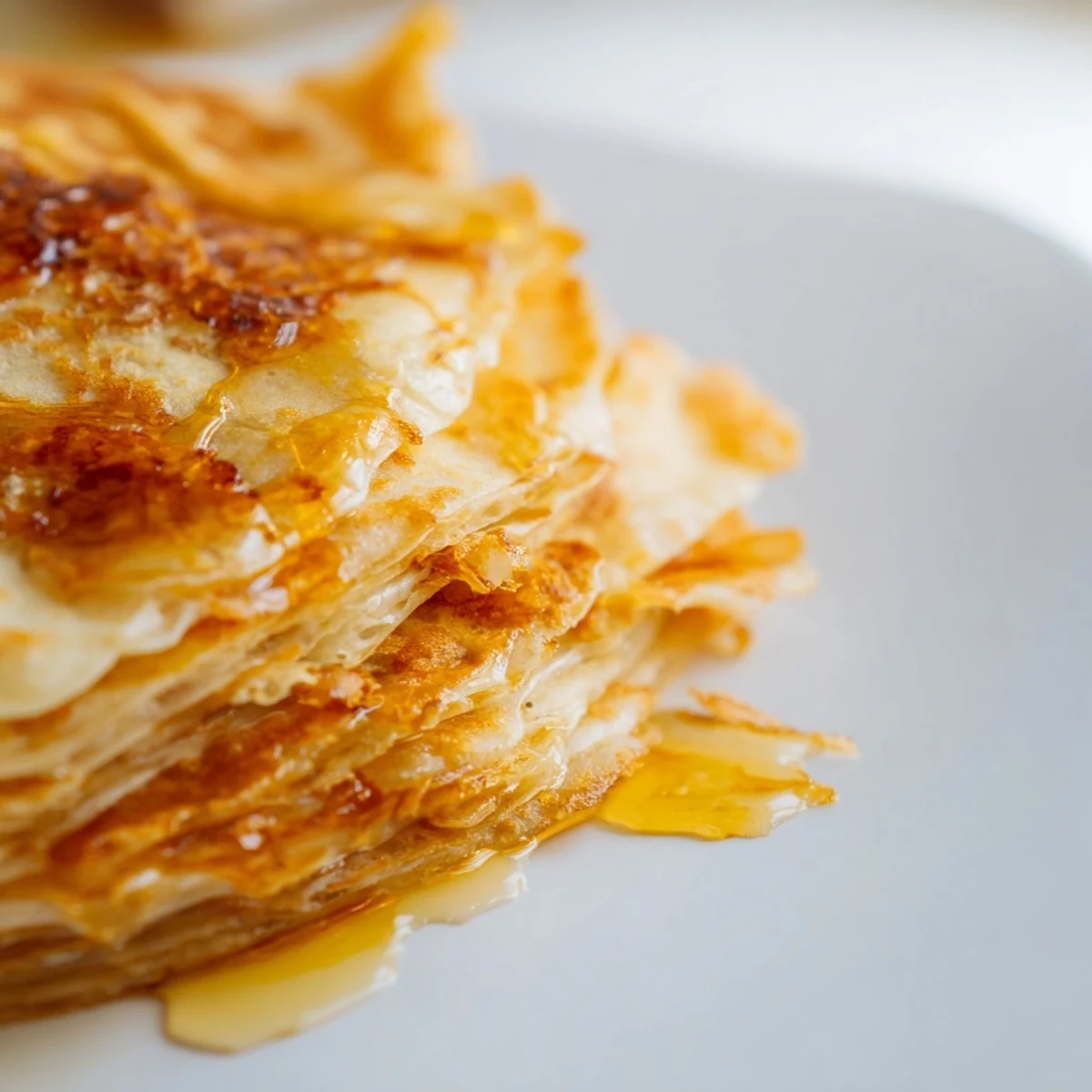
Save Discover the secrets behind meloui, Morocco's beloved flaky pancakes that achieve their signature texture through a unique folding technique. These savory-sweet rounds feature a golden exterior and tender, buttery interior created by layering softened butter and semolina within paper-thin dough. While the process requires patience to stretch and fold each piece properly, the result delivers an unmatched combination of crispiness and melt-in-your-mouth richness. Perfect alongside mint tea or topped with honey and jam for breakfast.
The steam curling off that first Meloui I made in my tiny apartment kitchen carried this incredible buttery aroma that had my neighbor knocking on my door within minutes. I had no idea what I was doing, honestly. The dough kept tearing, my counters were a mess of oil and semolina, but something about the rhythm of folding and flattening felt meditative, like I was channeling some grandmother I'd never met.
My friend Mariam taught me her mothers method during a snowed-in weekend, laughing at how seriously I was taking every fold. She kept saying relax, feel the dough, trust your hands. Those Meloui were the centerpiece of our impromptu feast, eaten standing up in the kitchen while snow piled up outside the windows, drizzled with honey that had been in her family for three generations.
Ingredients
- 3 cups all-purpose flour: This forms the structural base, and Ive learned that measuring by weight rather than volume gives you much more consistent results
- 1 cup fine semolina: The semolina adds this subtle sandy texture and nutty flavor that distinguishes Meloui from regular pancakes
- 1 ½ teaspoons salt: Dont reduce this, the salt balances the sweet toppings and enhances the butters flavor
- 1 teaspoon sugar: Just enough to help the dough brown beautifully without making it sweet
- 1 ½ cups warm water: Warm water helps the gluten develop faster and makes the dough more pliable for stretching
- ½ cup vegetable oil: Essential for keeping your hands and work surface greased, preventing sticking without tearing the delicate dough
- ¼ cup softened unsalted butter: Room temperature butter spreads easier and creates those irresistible flaky layers between folds
- ¼ cup fine semolina: This extra dusting adds crunch and prevents the folded layers from fusing together
Instructions
- Mix the dough base:
- Combine flour, semolina, salt, and sugar in a large bowl, gradually incorporating warm water until a soft smooth dough forms, then knead enthusiastically for 8 to 10 minutes until the dough becomes elastic and bounces back when pressed
- Divide and rest the dough:
- Shape the dough into 8 equal balls, cover them with a damp cloth, and let them rest for 15 minutes to relax the gluten, making them much easier to stretch later
- Stretch the first circle:
- Oil your hands and work surface lightly, take one dough ball and flatten it into a very thin almost transparent circle about 10 inches across, working gently to avoid tearing
- Add butter and semolina:
- Dot the entire surface generously with softened butter and sprinkle with semolina, ensuring every inch gets some of the flaky goodness
- Fold into layers:
- Fold the circle into thirds horizontally like a letter, then fold again vertically to form a neat square or rectangle, setting it aside and repeating with all remaining dough balls
- Rest and flatten:
- Let all folded pieces rest for 5 minutes to relax again, then gently press each square to about ½ inch thick, being careful not to squeeze out all those buttery layers you just created
- Heat your cooking surface:
- Warm a nonstick skillet or griddle over medium heat and lightly oil it, testing the temperature by flicking a few drops of water which should dance and evaporate quickly
- Cook to golden perfection:
- Cook each pancake for 2 to 3 minutes per side, pressing gently with a spatula to ensure even contact with the heat, until deep golden brown spots appear and the layers crisp up beautifully
- Serve immediately:
- These are best served warm, drizzled generously with honey or your favorite jam, or for an extra indulgent touch, dust with powdered sugar
 Save
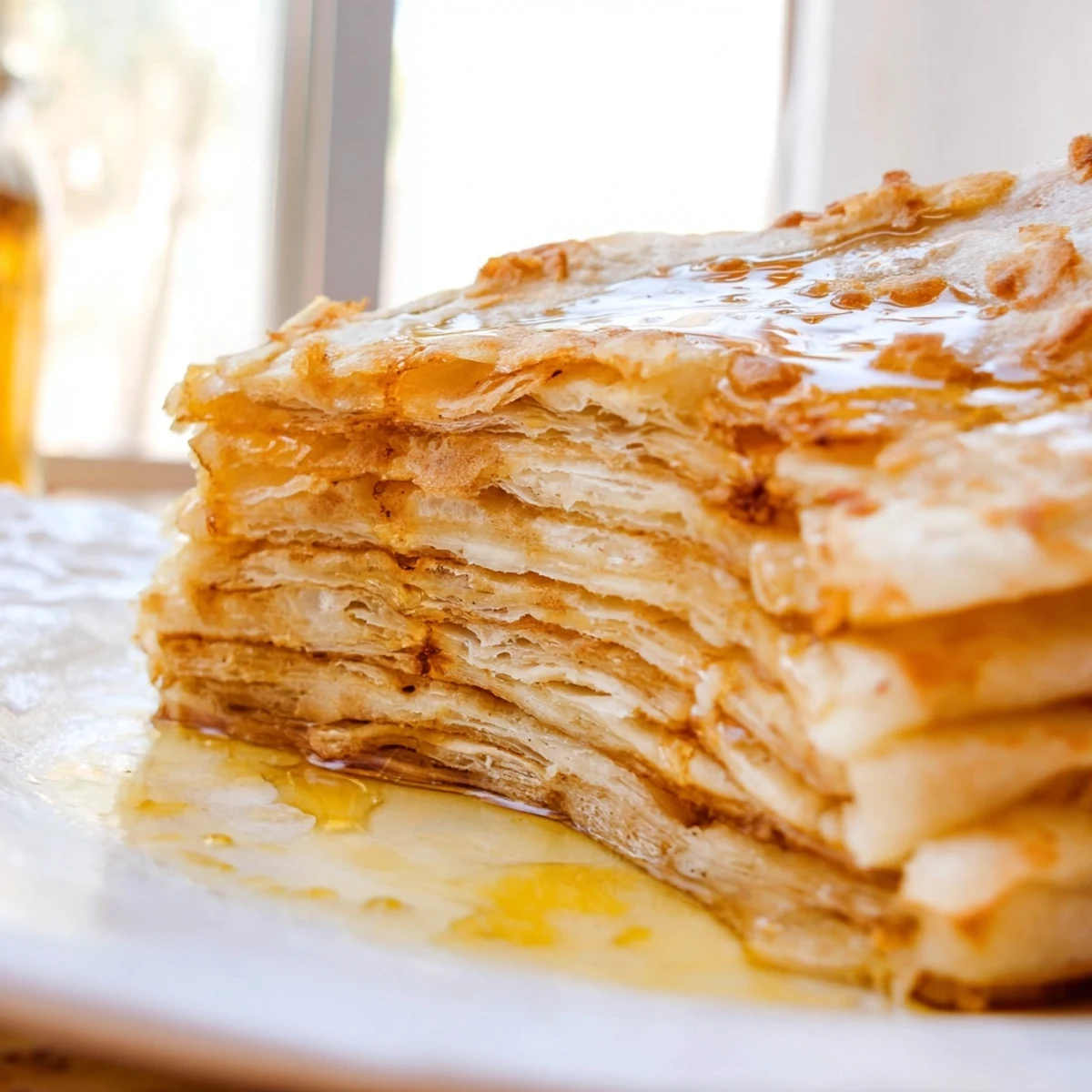
Save That morning after my first successful batch, I sat by the window watching the sunrise, dipping warm pieces into honey and feeling this profound connection to something ancient and universal. Food has this way of transporting us across time and distance, and somehow I was in Morocco, in a kitchen I'd never actually visited, with people I'd never met but somehow knew through something as simple as folded dough and melted butter.
Getting The Perfect Stretch
The key to that restaurant style transparency in your dough circles is confidence and speed. Hesitate and the dough will start to resist, shrinking back and making your job harder. Work on a lightly oiled surface and use the heels of your hands to gently push the dough outward, rotating constantly to maintain an even thickness. If you notice a spot becoming too thin and threatening to tear, just move on and fold a slightly thicker edge over it during shaping.
Storage And Reheating
Meloui keeps surprisingly well in an airtight container for up to 3 days, though they are truly at their peak right off the skillet. To reheat, skip the microwave which makes them tough, and instead warm them in a dry skillet over medium low heat for about a minute per side. This method revives the crisp exterior and softens the interior layers, making leftovers nearly as good as freshly made ones.
Serving Suggestions
While honey and butter are traditional, try them with orange blossom honey for an authentic Moroccan touch, or experiment with savory fillings like cheese and herbs for a completely different experience. In Morocco they are often eaten alongside mint tea, and the combination of hot flaky bread with sweet tea and fresh mint is absolutely transformative.
- Add a pinch of anise or cinnamon to the dough for subtle aromatic variation
- Try spreading them with almond butter or chocolate for breakfast
- Serve alongside Moroccan mint tea for the full traditional experience
 Save
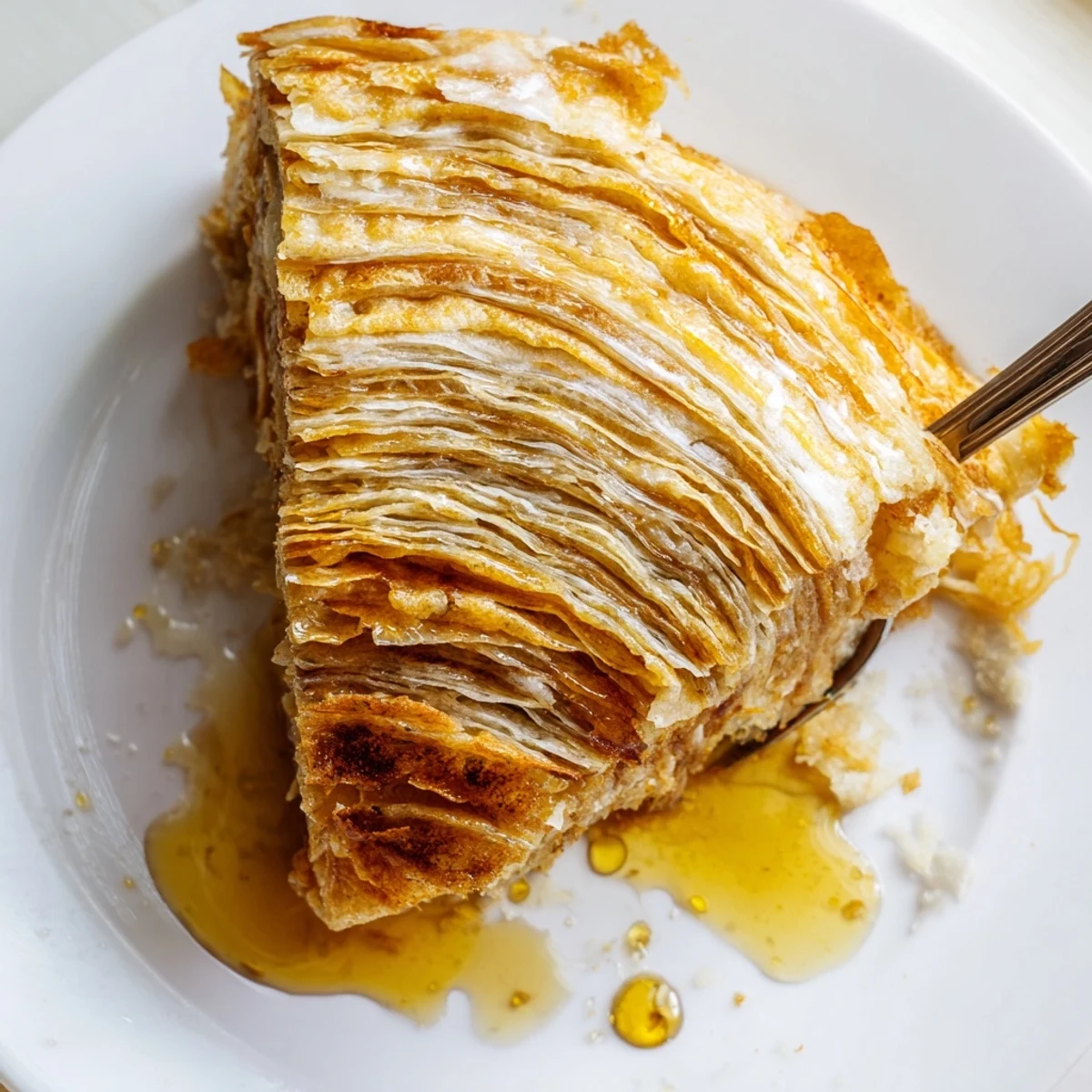
Save There is something deeply satisfying about pulling apart those warm flaky layers, each bite revealing the work of your hands and the patience of the process. Enjoy every bite.
Recipe FAQs
- → What makes meloui different from regular pancakes?
-
Meloui achieves its signature flaky texture through folding layers of butter and semolina into thin dough, similar to puff pastry techniques. This creates distinct layers that become crispy when cooked, unlike uniform American-style pancakes.
- → Can I prepare meloui dough ahead of time?
-
Yes, the dough balls can be prepared and refrigerated for up to 24 hours before shaping and cooking. Bring to room temperature before stretching, as cold dough resists forming the thin layers needed.
- → Why is my meloui not flaky enough?
-
Insufficient butter between layers or dough that's too thick prevents proper separation. Ensure you're stretching dough until nearly transparent and dotting butter generously. The resting periods also help layers develop properly.
- → What's the best way to reheat leftover meloui?
-
Reheat in a dry skillet over medium-low heat for 1-2 minutes per side. This restores crispiness better than microwaving, which makes them soggy. Alternatively, warm in a 350°F oven for 5 minutes.
- → Can I freeze meloui for later?
-
Cooked meloui freezes well for up to 3 months. Layer between parchment paper in an airtight container. Thaw overnight in refrigerator, then reheat in a skillet to restore texture.
- → What substitutions work for semolina in meloui?
-
Fine cornmeal can replace semolina for dusting, though texture varies slightly. For the dough, additional flour works, but the characteristic grainy texture will be less pronounced.
