
 Save
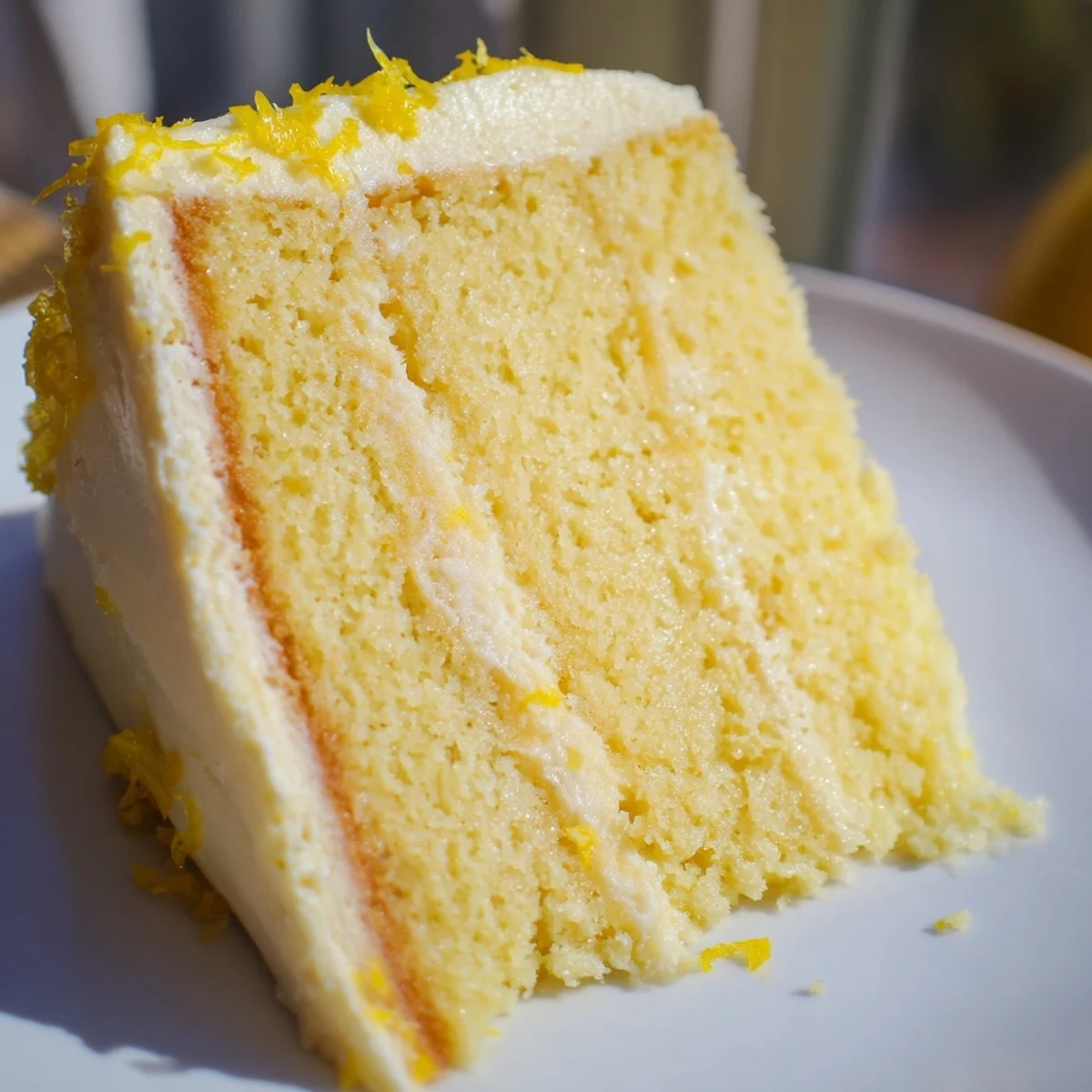
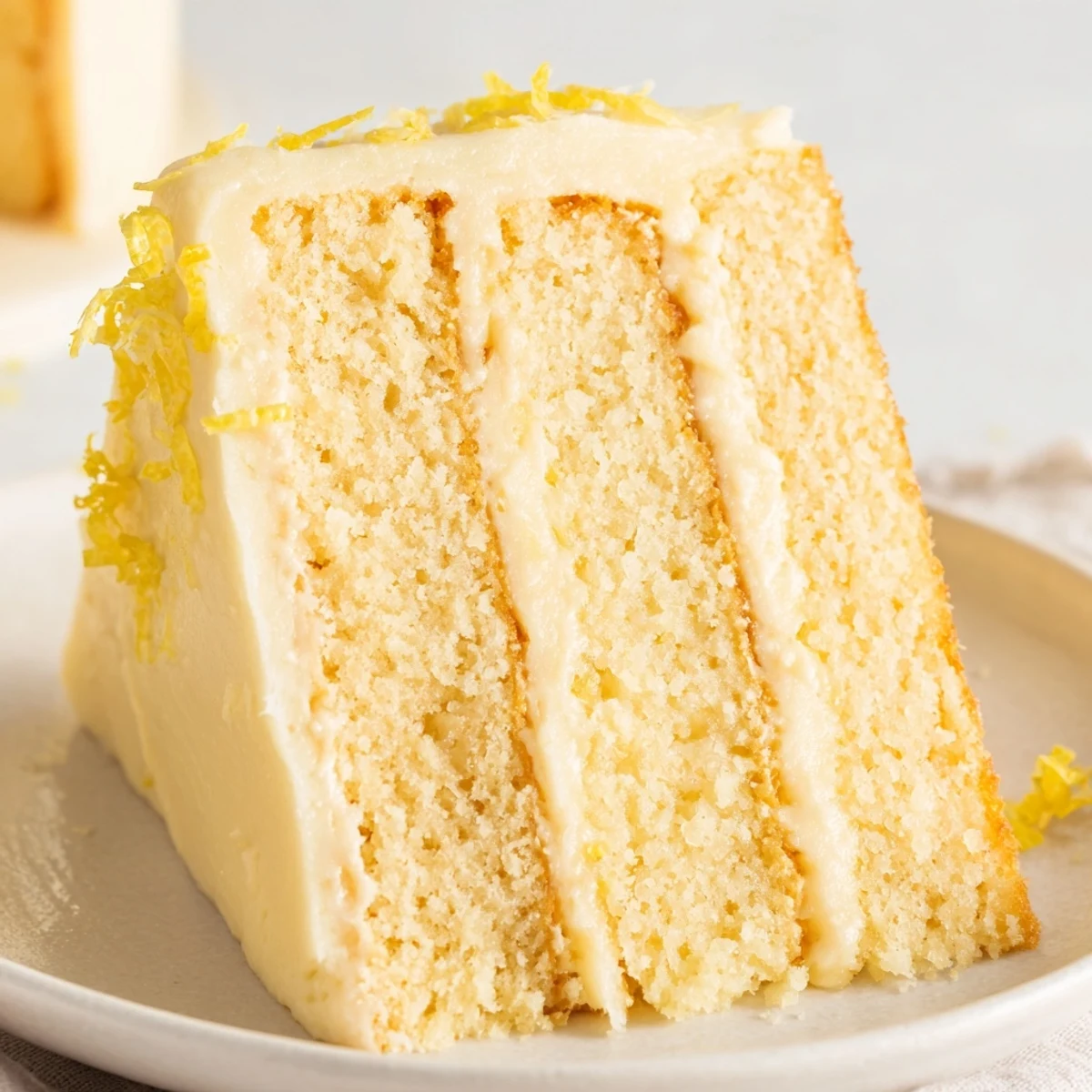
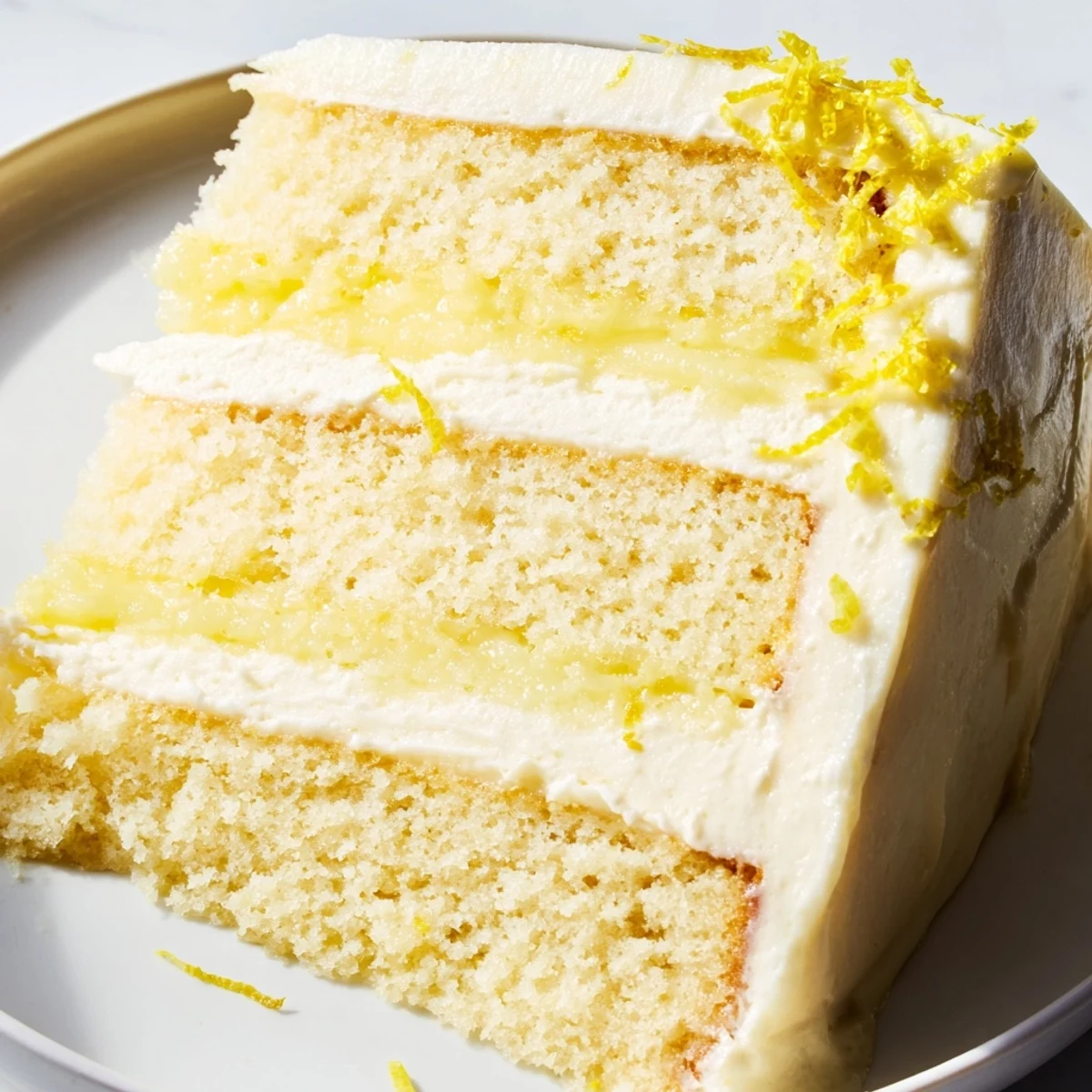
Save This elegant layer cake combines a moist, tender sponge infused with fresh lemon zest and juice. The crowning glory includes a vibrant tart lemon curd and silky buttercream frosting, creating the perfect balance of sweet and tangy flavors.
Ideal for special occasions or a refined afternoon treat, this impressive dessert serves twelve and rewards patience with bakery-worthy results. The three-layer construction with curd filling creates stunning presentation slices.
The kitchen smelled like sunshine itself when I first attempted this lemon layer cake last spring. I had three Meyer lemons sitting on my windowsill that seemed too perfect to waste, and somehow that led to an entire Sunday disappearing into flour dusted countertops and curd simmering gently over the stove. My roommate kept wandering in, drawn by the citrus perfume hanging in the air, asking if it was done yet every seven minutes like clockwork.
I brought this cake to a book club meeting that same week, and somewhere between discussing the novel and passing around slices, the conversation drifted entirely to dessert. Someone asked if I would make it for their birthday, and suddenly I had acquired a reputation as the lemon cake person. The best part was watching skeptical faces turn delighted after that first forkful, the way the tangy curd cuts through the buttercream like magic.
Ingredients
- All purpose flour: The foundation that gives your cake structure without becoming dense or tough when handled properly.
- Baking powder and baking soda: Your lift agents, working together to create those tender, airy crumb pockets.
- Unsalted butter: Room temperature butter is nonnegotiable here, it needs to be soft enough to incorporate air but not melted.
- Granulated sugar: Sweetens and helps create that gorgeous golden crumb while keeping the texture tender.
- Large eggs: Also at room temperature, they bind everything together and add richness to the sponge.
- Lemon zest and juice: The real stars of the show, use fresh lemons and zest carefully to avoid the bitter white pith.
- Buttermilk: Adds subtle tang and tenderness while activating with the baking soda for extra lift.
- Vanilla extract: Pure vanilla deepens the citrus flavors and adds comforting warmth in the background.
- Egg yolks: The lemon curd needs these yolks to achieve that silky, luxurious texture.
- More butter: Cold butter whisked into hot curd creates that glossy, spoonable consistency.
- Powdered sugar: Sift it first or your buttercream will have stubborn lumps that no amount of beating can fix.
Instructions
- Getting your oven and pans ready:
- Preheat your oven to 350F and grab three 8 inch round cake pans, greasing them thoroughly and lining the bottoms with parchment paper circles. Trust me, the parchment insurance is worth the extra minute, no one wants a cake tragedy after all this work.
- Whisking your dry ingredients:
- In a medium bowl, combine your flour with baking powder, baking soda, and salt, whisking them together until evenly distributed. This step ensures your leavening agents are perfectly blended before they hit the wet ingredients.
- Creaming butter and sugar:
- Beat your room temperature butter and granulated sugar until the mixture looks pale and fluffy, about three to five minutes of serious mixing. This is where you incorporate air bubbles that help the cake rise, so do not rush this step.
- Adding eggs and flavor:
- Add your eggs one at a time, beating well after each addition, then stir in the lemon zest and vanilla extract. The mixture might look slightly curdled when you add the eggs, just keep going and it will smooth out.
- Combining wet and dry:
- Mix in your flour mixture in three separate additions, alternating with the buttermilk and lemon juice, starting and ending with the flour mixture. Stop mixing as soon as the flour disappears, overmixed cake batter makes tough, sad cakes.
- Baking the layers:
- Divide your batter evenly between the three prepared pans and bake for 25 to 30 minutes, rotating the pans halfway through if your oven has hot spots. The cakes are done when a toothpick inserted in the center comes out clean or with just a few moist crumbs.
- Cooling the cakes:
- Let the layers cool in their pans for exactly ten minutes, then turn them out onto wire racks to cool completely before assembling. Warm cake will melt your buttercream into a slip and slide disaster, so patience here pays off.
- Making the lemon curd:
- Whisk together your eggs and sugar in a heatproof bowl, then stir in the lemon juice and zest. Set the bowl over a pan of simmering water, making sure the water does not touch the bowl, and whisk constantly until the curd thickens enough to coat the back of a spoon.
- Finishing the curd:
- Remove the thickened curd from the heat immediately and whisk in the cubed butter until melted and glossy. Strain the curd through a fine mesh sieve to remove any accidental cooked egg bits, then press plastic wrap directly onto the surface and chill until set.
- Making the buttercream:
- Beat your butter until smooth and creamy, then gradually add the sifted powdered sugar with the mixer on low speed to avoid a sugar cloud. Once incorporated, add the lemon juice, zest, and salt, then beat on medium high until silky and smooth, adding milk only if needed for the right consistency.
- Assembling the masterpiece:
- Place one cooled cake layer on your serving plate and spread a thin layer of buttercream over the top, then pipe a ring of buttercream around the edge to contain the curd. Fill the center with half your lemon curd, repeat with the second layer, then place the third layer on top and frost the entire cake with the remaining buttercream.
 Save
Save My sister requested this cake for her birthday instead of a bakery purchase, which felt like the ultimate compliment. We ate it on the back porch as the sun went down, and I remember thinking that store bought cakes might be more convenient, but they never taste quite like a memory.
Getting Even Layers
Weigh your cake pans empty, then zero your scale and add batter until each pan has the same weight. This trick changed my layer cake game forever, no more lopsided tiers or one thin, sad layer that cannot support the filling.
Timing Your Components
Make the lemon curd the day before you plan to assemble the cake. It needs several hours to chill completely and set properly, plus having it ready eliminates one major step on assembly day.
Serving And Storage
This cake actually improves after sitting in the refrigerator for a few hours, as the flavors meld together and the frosting firms up beautifully. Serve it slightly chilled for clean slices that hold their shape on the plate.
- Leftover cake keeps well in the refrigerator for up to four days, covered loosely with a cake dome or foil.
- Let refrigerated cake sit at room temperature for about 20 minutes before serving for the best texture and flavor.
- The unfrosted cake layers can be wrapped well and frozen for up to three months if you want to prep ahead.
 Save
Save There is something about a homemade layer cake that makes any occasion feel special, even if it is just Tuesday afternoon. I hope this lemon beauty finds its way to your table and creates its own sunny memories.
Recipe FAQs
- → How long does this lemon cake stay fresh?
-
Refrigerated in an airtight container, this cake stays fresh for 3-4 days. The buttercream and curd require cool storage to maintain texture and flavor.
- → Can I make the components ahead of time?
-
Yes! Bake cake layers up to 2 days ahead, wrap well, and freeze. The lemon curd keeps refrigerated for 1 week. Buttercream can be made 2 days ahead and stored at room temperature.
- → What's the best way to get clean cake layers?
-
Cool pans for exactly 10 minutes, then invert onto wire racks. Run a thin knife around edges first. Wrap completely cooled layers in plastic and chill briefly for easier handling.
- → Can I use store-bought lemon curd?
-
Absolutely. Quality store-bought curd saves significant time. Look for brands with high fruit content and natural ingredients for the best flavor balance.
- → Why is my lemon curd not thickening?
-
Ensure constant whisking over gentle simmering water—rapid heat scrambles eggs. The mixture should coat the back of a spoon. If still thin after 12 minutes, continue whisking until thickened.
- → Can I make this as a two-layer cake?
-
Certainly. Use two 9-inch pans instead of three 8-inch ones. Bake 30-35 minutes. You'll have extra buttercream and curd—delicious saved for toast or cupcakes.
