
 Save
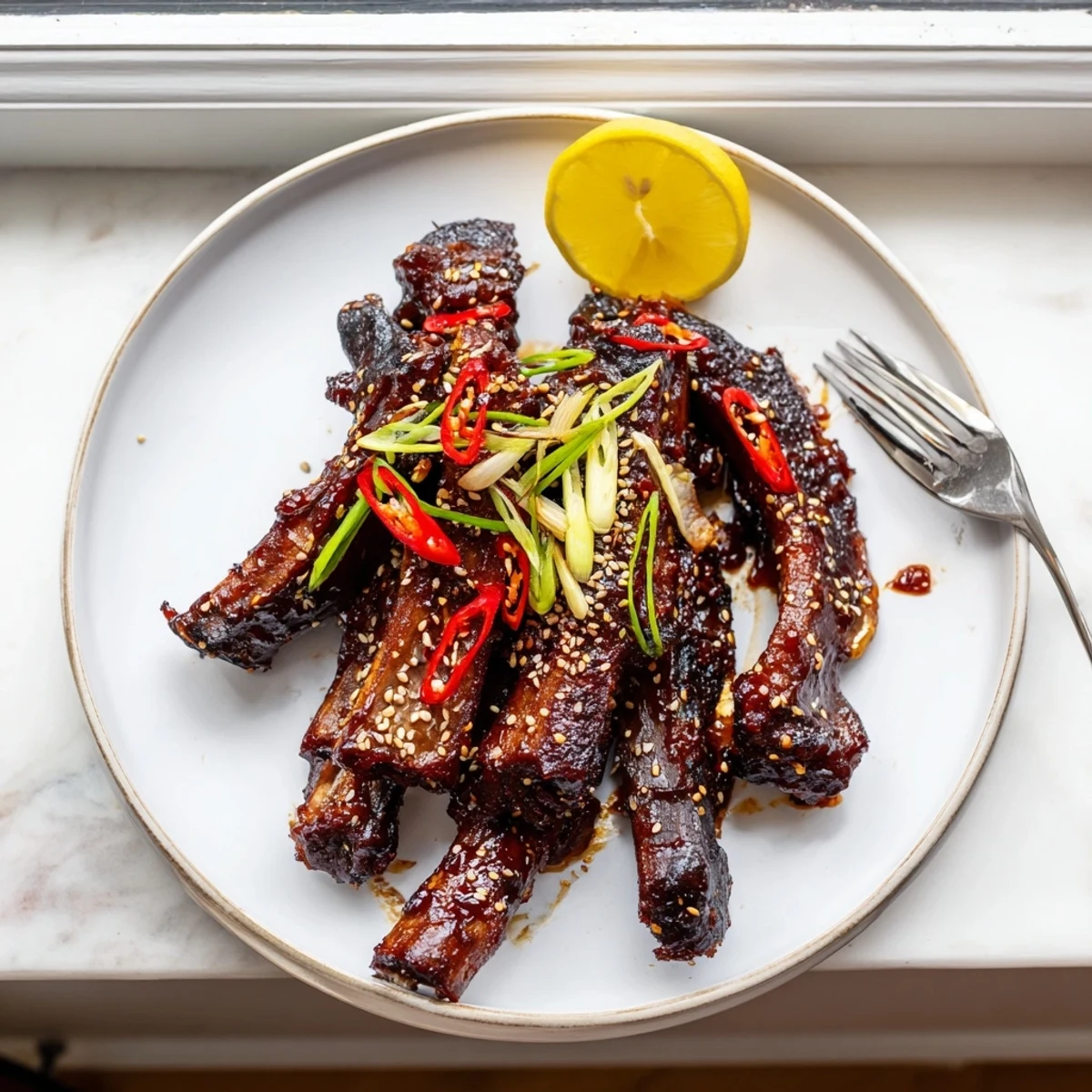
Save These Korean BBQ lamb ribs bring together the deep, savory heat of gochujang with the fragrant brightness of yuzu citrus. Marinated overnight in a rich blend of soy sauce, sesame oil, garlic, and ginger, the ribs slow-roast until fork-tender before getting a sticky honey glaze and a final caramelized finish under high heat.
The yuzu squeeze at the end cuts through the richness beautifully, balancing sweet, spicy, and tangy in every bite. Garnished with scallions, sesame seeds, and fresh chili, this dish is a crowd-pleasing centerpiece perfect for weekend gatherings or any meal that calls for bold, vibrant flavors.
The sizzle of lamb hitting a hot wire rack is one of those sounds that pulls everyone into the kitchen, no invitation needed. I stumbled into this recipe during a rainy Saturday when the only things in my fridge were gochujang, a rack of lamb ribs, and sheer stubbornness. That afternoon changed how I think about fusion cooking, because sometimes the best dishes come from ignoring the rulebook entirely.
My neighbor Dave once knocked on my door asking if everything was okay because the smell drifting through the hallway was so intense. I handed him a rib through the gap and watched his eyes go wide, and now he shows up every time he catches even a hint of sesame oil in the air.
Ingredients
- Lamb ribs (1.5 kg, trimmed): Ask your butcher to trim them if possible, because excess fat can cause flareups and mask the marinade.
- Gochujang (3 tbsp): This fermented chili paste is the backbone of the flavor, so use a brand you trust and adjust up or down depending on your heat tolerance.
- Soy sauce (4 tbsp): Gluten-free tamari works perfectly here and adds a deep, salty umami that balances the sweetness.
- Brown sugar (2 tbsp): Helps the marinade caramelize into that beautiful lacquered finish during roasting.
- Sesame oil (1 tbsp): Toasted sesame oil specifically, because the raw version will not give you the same nutty depth.
- Garlic, minced (4 cloves): Fresh is nonnegotiable here, as the jarred stuff gets lost in such a bold marinade.
- Fresh ginger, grated (2 tsp): Rub it directly from the root using a microplane for the juiciest, most aromatic result.
- Rice vinegar (1 tbsp): A gentle acidity that tenderizes the meat while keeping the overall profile rounded.
- Mirin (2 tbsp, optional): Adds a subtle sweetness and glossy sheen, though the recipe works without it.
- Black pepper (1 tsp): Freshly ground always, because the preground version tastes like dust in comparison.
- Honey (2 tbsp): Mixed into the glaze at the end for that final sticky, golden coating.
- Yuzu juice (2 tbsp): The real star of the finish, found at Asian grocery stores, though lemon works in a pinch.
- Toasted sesame seeds (1 tbsp): Toast them yourself in a dry pan for one minute and you will never go back to the untoasted kind.
- Scallions, thinly sliced (2): A fresh, crisp garnish that brings a welcome crunch.
- Red chili, sliced (1 small, optional): For anyone who wants an extra kick on top of the gochujang heat.
Instructions
- Build the marinade:
- Whisk together gochujang, soy sauce, brown sugar, sesame oil, garlic, ginger, rice vinegar, mirin, and black pepper in a bowl until the mixture is completely smooth and smells like something you want to dip your finger into.
- Coat the ribs:
- Slide the lamb ribs into a large resealable bag or a deep dish and pour the marinade over every surface, massaging it in with your hands so nothing is left untouched.
- Let time do its work:
- Refrigerate for at least four hours, though overnight is where the real magic happens as the flavors penetrate deep into the meat.
- Set up the roast:
- Preheat your oven to 160 degrees Celsius, shake off excess marinade into a saucepan for later, and arrange the ribs on a wire rack over a baking sheet before tenting loosely with foil.
- Slow roast:
- Let the ribs cook gently for one full hour while you simmer the reserved marinade with honey in a small saucepan over low heat until it thickens into a glossy glaze.
- Crank and caramelize:
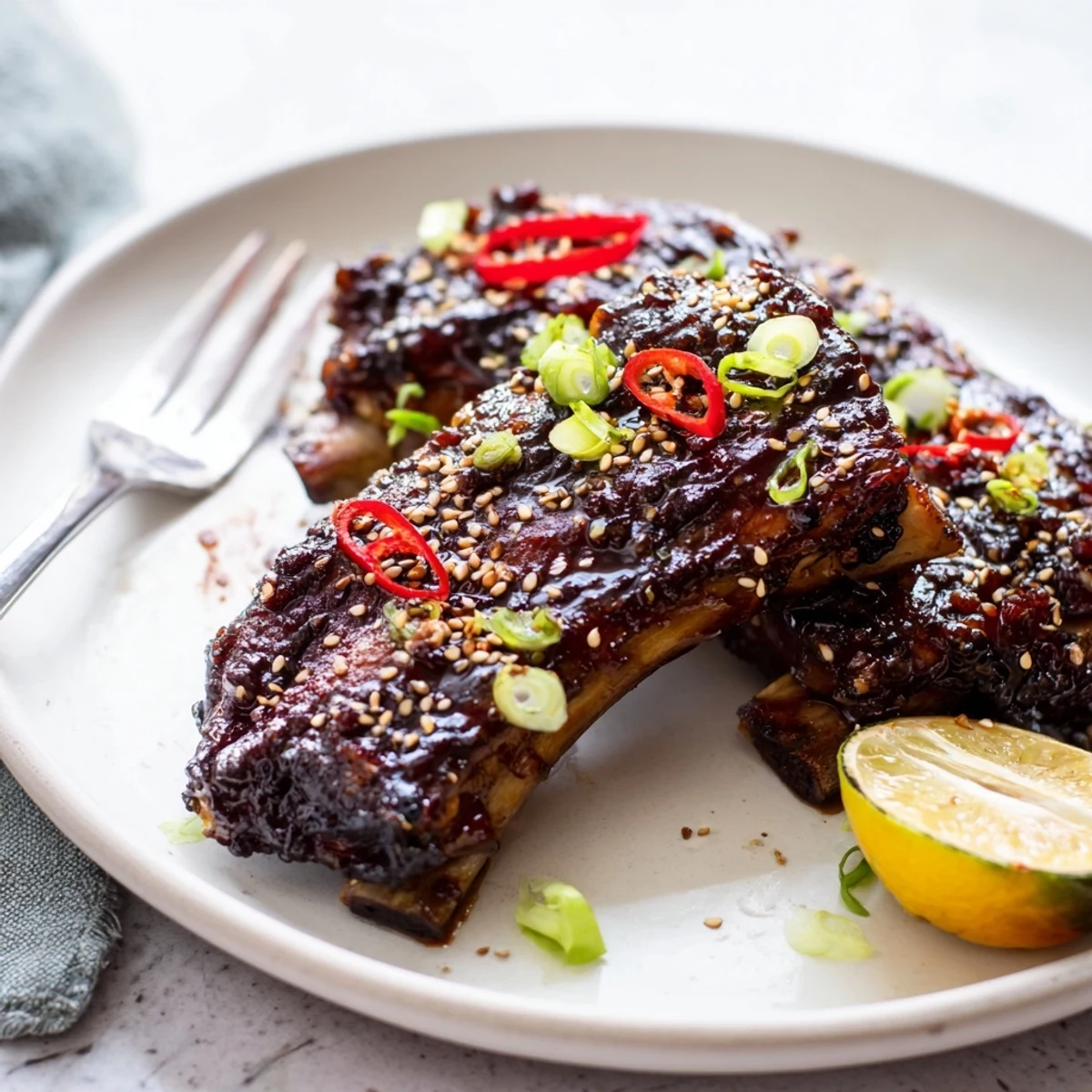
- Crank the oven to 200 degrees Celsius, remove the foil, brush the ribs generously with your glaze, and roast uncovered for ten to fifteen minutes until the edges char and the surface turns deeply lacquered.
- Finish with yuzu:
- Pull the ribs out, let them rest for five minutes so the juices settle, then squeeze yuzu juice liberally over the top so it pools in the crevices and drips down every rib.
- Garnish and serve:
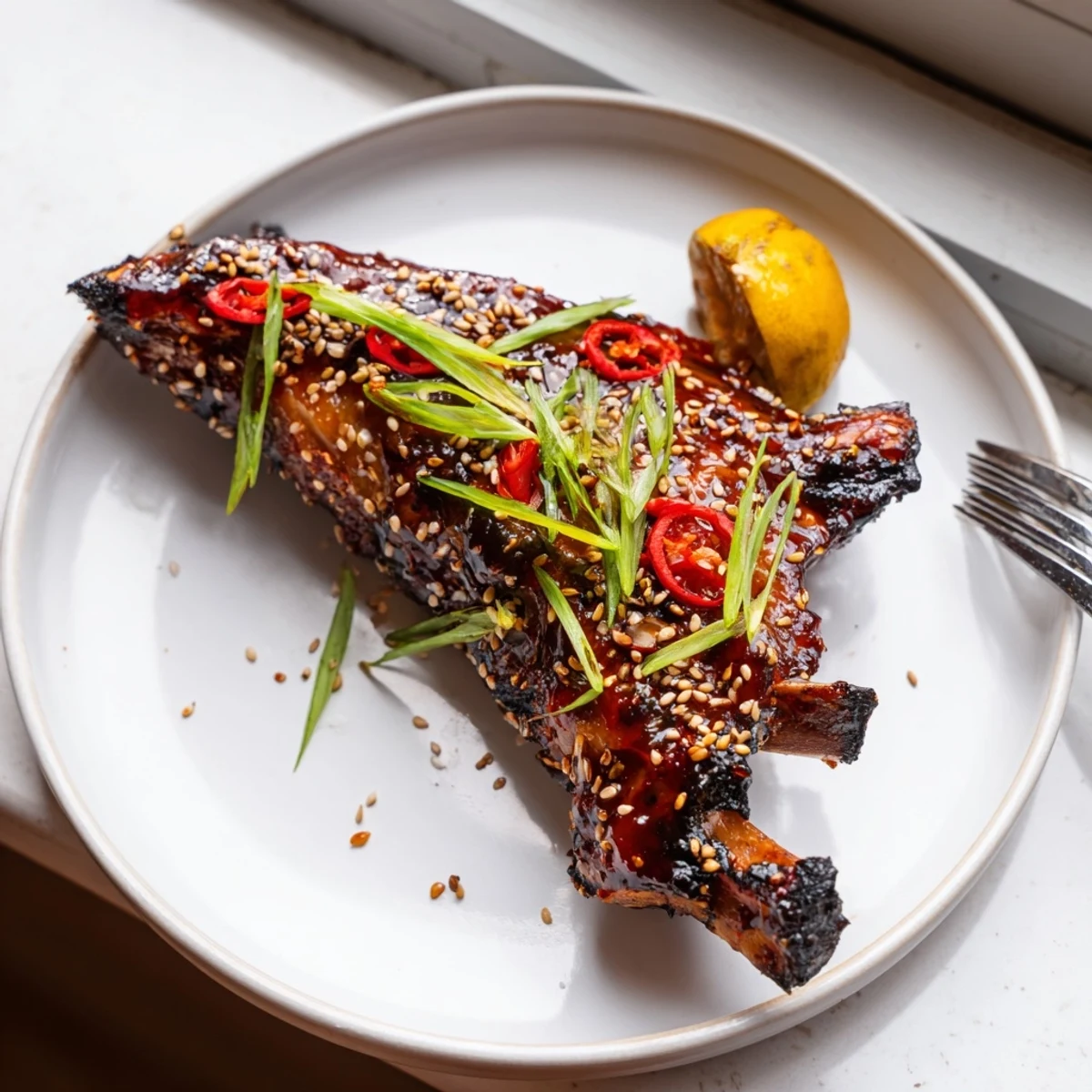
- Scatter sliced scallions, sesame seeds, and red chili over the rack and bring it to the table whole so everyone can pull apart their own ribs by hand.
 Save
Save The first time I served these at a dinner party, the conversation stopped entirely for a good five minutes, which is the highest compliment any cook can receive.
Getting That Perfect Char
If you have access to an outdoor grill, finishing the ribs over direct high heat for two or three minutes per side after roasting creates a smoky char that the oven alone simply cannot match. I learned this trick from a friend who runs a Korean barbecue spot downtown, and it transformed an already great rib into something extraordinary.
Navigating the Yuzu Situation
Yuzu juice has a floral, tangy complexity that sits somewhere between lemon, lime, and mandarin, and once you taste it on these ribs you will understand why it is worth seeking out. Most Asian grocery stores stock bottled yuzu juice near the vinegar section, and a single bottle lasts through many batches of this recipe.
Serving Suggestions That Work
These ribs are rich and bold enough to stand alone, but pairing them with something simple lets the flavors breathe without competition.
- Steamed white rice soaks up the sticky glaze and balances every bite.
- Quick pickled cucumbers or daikon add crunch and acidity that refresh the palate between ribs.
- A cold beer or sparkling water with a lime wedge is honestly all you need on the side.
 Save
Save Some recipes become staples because they are easy, and others earn their place because they make people close their eyes when they take the first bite. These ribs do both, and that is a rare and beautiful thing in any kitchen.
Recipe FAQs
- → Can I substitute yuzu juice with something else?
-
Yes, fresh lemon juice is the most accessible substitute, though it lacks yuzu's unique floral aroma. A mix of lemon and lime juice with a tiny pinch of orange zest can better approximate yuzu's complex citrus profile.
- → How long should I marinate the lamb ribs?
-
For the best results, marinate the ribs for at least 4 hours. Overnight marination in the refrigerator allows the gochujang, soy, and aromatics to penetrate deeply, resulting in more flavorful and tender meat.
- → Can I finish these ribs on a grill instead of in the oven?
-
Absolutely. After the initial slow roasting at 160°C, transfer the glazed ribs to a hot grill for 2–3 minutes per side. This adds a smoky char that enhances the Korean BBQ character of the dish.
- → Is this dish gluten-free?
-
It can be. Use gluten-free soy sauce and verify that your gochujang brand is certified gluten-free, as some contain wheat. All other ingredients in the marinade and glaze are naturally gluten-free.
- → What should I serve with Korean BBQ lamb ribs?
-
Steamed white rice is a natural pairing to soak up the sticky glaze. Korean pickled vegetables, a simple cucumber salad, or fermented kimchi provide refreshing contrast to the rich, spicy lamb.
- → How do I adjust the spice level?
-
The heat comes primarily from gochujang. Use 2 tablespoons for mild warmth or increase to 4–5 tablespoons for a spicier kick. The honey glaze and yuzu finish help balance whatever heat level you choose.
