
 Save
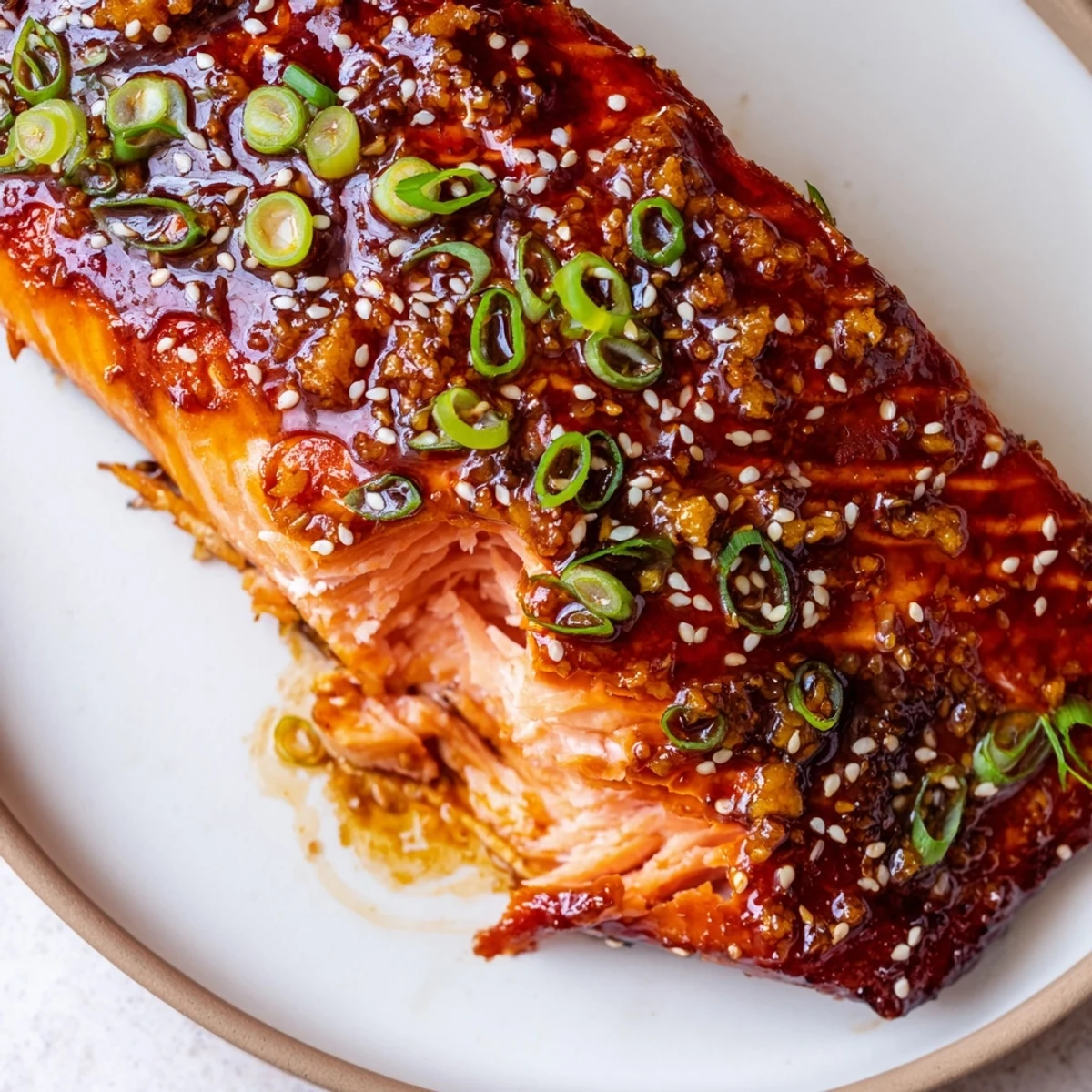
Save This gluten-free teriyaki salmon brings bold Japanese-inspired umami flavors to your table in just 25 minutes. Four salmon fillets are brushed with a luscious homemade teriyaki sauce made from gluten-free tamari, pure maple syrup, rice vinegar, sesame oil, garlic, and fresh ginger.
The sauce thickens beautifully with a cornstarch slurry, creating a glossy glaze that caramelizes in the oven or on the grill. Bake or grill the salmon for 10-12 minutes until opaque and flaky, then drizzle with the remaining sauce and garnish with toasted sesame seeds and sliced spring onions.
Serving four and clocking in at 315 calories per portion with 33g of protein, this dish is both wholesome and satisfying. Pair it with steamed rice and vegetables for a complete gluten-free and dairy-free meal.
The sizzle of salmon hitting a hot pan is one of those sounds that makes everyone in the house wander toward the kitchen, and this teriyaki version guarantees there will be no leftovers. My neighbor once smelled this through the open window and showed up with a bottle of wine, pretending she was just being friendly. The gluten-free tamari creates a sauce so glossy and deep that nobody ever guesses it is missing traditional soy sauce. It is weeknight cooking that feels like a small celebration.
I started making this on rainy Tuesday nights when cooking felt like a chore, and somehow the rhythm of whisking tamari and maple syrup together became the most calming part of my week. My partner now requests it so often that I buy salmon in bulk, and the extra sauce gets drizzled over everything from rice bowls to roasted broccoli the next day.
Ingredients
- 4 salmon fillets (about 150 g each), skin-on or skinless: Skin-on fillets hold together beautifully during cooking and get deliciously crispy underneath the glaze, but skinless works fine if that is what you have.
- 60 ml gluten-free tamari: This is your flavor backbone, and tamari delivers the same savory depth as soy sauce without the gluten, so do not skimp on quality here.
- 30 ml pure maple syrup: It brings a rounded, gentle sweetness that honey can also provide, though maple gives a slightly softer flavor that I prefer with fish.
- 30 ml rice vinegar: A splash of acidity to balance the richness of the salmon and keep the sauce from cloying, and it also tenderizes the fish slightly as it cooks.
- 1 tbsp sesame oil: Just a small amount adds a toasty, nutty aroma that makes the whole dish smell incredible, so use the toasted kind if you can find it.
- 2 or 3 cloves garlic, minced: Fresh garlic is nonnegotiable here because the pre-minced jar version lacks the sharp bite that cuts through the sweetness of the glaze.
- 1 tbsp fresh ginger, grated: Ginger and salmon are old friends, and the fresh stuff adds a warm prickle that ground ginger simply cannot replicate.
- 1 tbsp cornstarch plus 60 ml water: This slurry is the magic trick that turns a thin liquid into a sauce that clings to every inch of the fish instead of puddling on the plate.
- 1 tbsp toasted sesame seeds and 2 spring onions, sliced (optional garnish): These add a finishing crunch and fresh bite that make the dish look as good as it tastes.
Instructions
- Preheat and prepare:
- Set your oven to 200 degrees Celsius or 400 degrees Fahrenheit, or fire up the grill to medium-high heat, and line a baking sheet with parchment paper so cleanup is effortless.
- Build the sauce base:
- In a small saucepan, whisk together the tamari, maple syrup, rice vinegar, sesame oil, minced garlic, and grated ginger until everything is smoothly combined and already smells irresistible.
- Thicken the glaze:
- Stir the cornstarch and water together in a small bowl until no lumps remain, then pour this slurry into the saucepan and bring everything to a gentle simmer over medium heat, stirring constantly until the sauce coats the back of a spoon, which takes about two or three minutes.
- Prep the salmon:
- Pat each fillet thoroughly dry with paper towels because moisture is the enemy of a good glaze, then arrange them on your prepared baking sheet or grill tray with a little space between each piece.
- Glaze generously:
- Brush every fillet with a liberal coating of the teriyaki sauce using a basting brush, making sure to save at least a quarter of the sauce for finishing, because that final drizzle is what makes it special.
- Cook the salmon:
- Bake or grill for ten to twelve minutes until the fish turns opaque and flakes easily when you press it gently with a fork, keeping a close eye in the last two minutes because salmon goes from perfect to overcooked quickly.
- Finish and serve:
- Transfer the salmon to plates, spoon the reserved sauce over each fillet so it pools invitingly around the edges, scatter with sesame seeds and sliced spring onions, and serve immediately while everything is still hot and glistening.
 Save
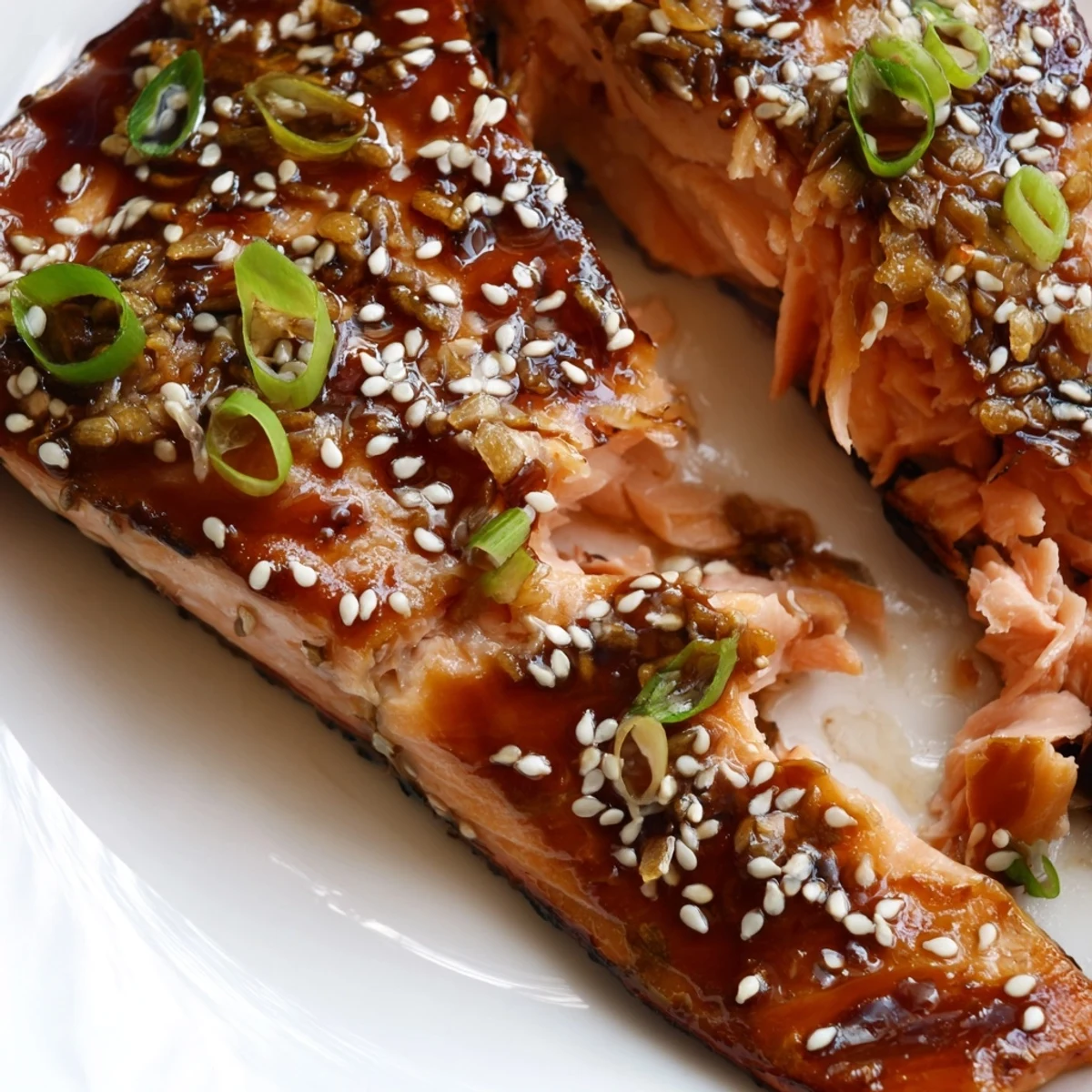
Save The first time I served this to my family, my teenager who normally treats fish with suspicion went back for seconds without being asked, and that quiet moment of empty plates felt like a genuine triumph.
Choosing the Best Salmon
Wild-caught salmon has a leaner texture and more pronounced flavor, while farm-raised tends to be fattier and milder, and either one works beautifully here because the teriyaki glaze is bold enough to complement both. Look for fillets that smell clean and oceanic rather than strongly fishy, with flesh that springs back when pressed gently.
Serving Ideas That Actually Work
Steamed jasmine rice is the obvious partner, but I have also served this over quinoa or cauliflower rice on lower carb nights with zero complaints. A simple side of snap peas sauteed with a little garlic and sesame oil turns this into a complete meal that comes together in the same half hour.
Storage and Reheating
Leftover salmon keeps well in the refrigerator for up to two days, though the texture is best on day one when the glaze is still glossy and the fish is perfectly flaky. If you are meal prepping, store the sauce separately and reheat the fish gently in a low oven rather than the microwave, which tends to cook it further and dry it out.
- Flake leftover cold salmon over a green salad with a squeeze of lime for an excellent next day lunch.
- The extra teriyaki sauce freezes beautifully in a small jar for up to three months.
- Always double check that your tamari and cornstarch are certified gluten-free if serving to someone with celiac disease.
 Save
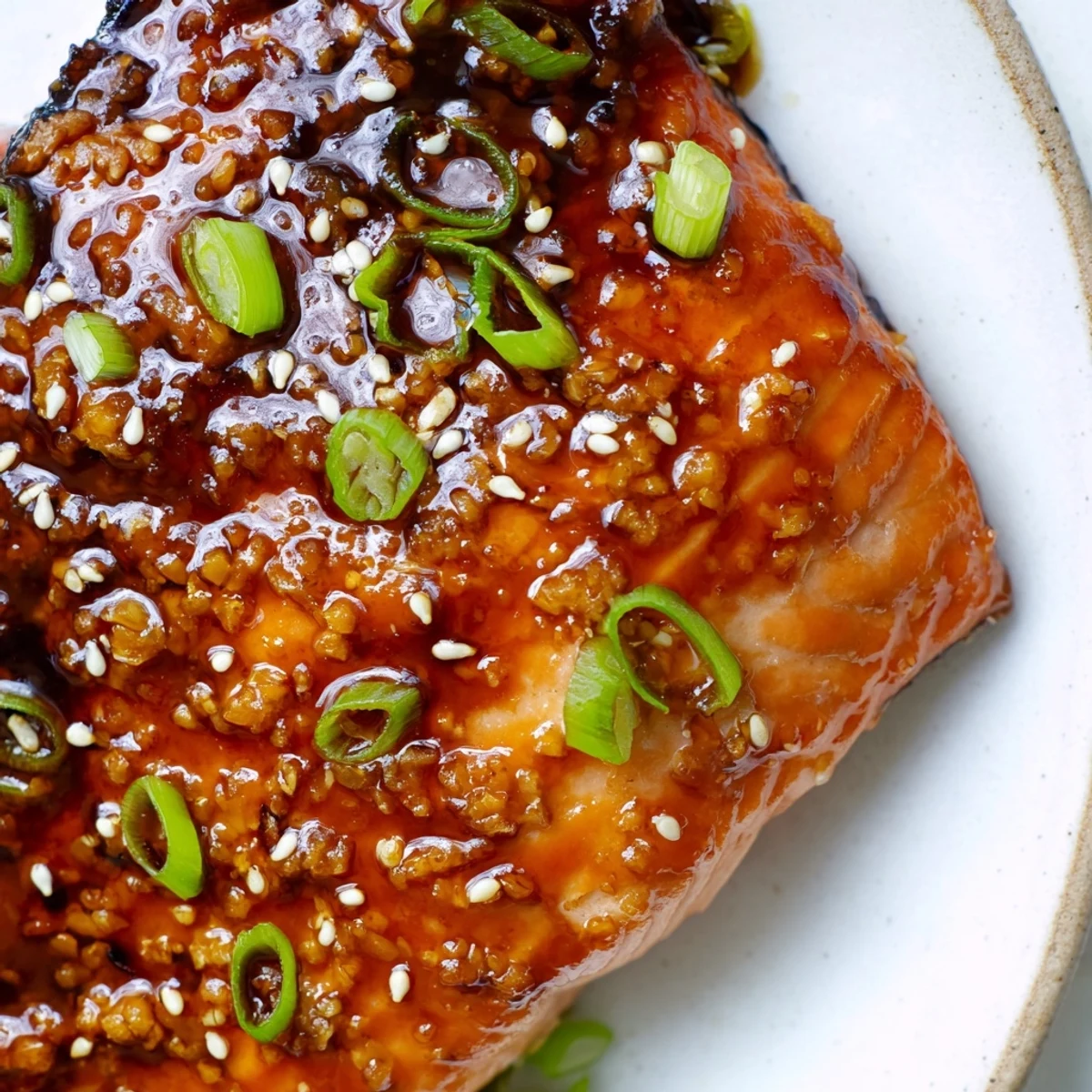
Save Some recipes earn a permanent spot in your rotation because they ask so little and give so much back, and this salmon is one of them. Keep the sauce recipe memorized and dinner will never disappoint you again.
Recipe FAQs
- → Can I use regular soy sauce instead of tamari?
-
Regular soy sauce contains wheat, so it is not gluten-free. If you do not have a gluten intolerance, you can absolutely substitute tamari with regular soy sauce. For a soy-free alternative, coconut aminos work well and offer a slightly sweeter, milder flavor.
- → How do I know when the salmon is fully cooked?
-
Salmon is done when it turns opaque throughout and flakes easily with a fork. The internal temperature should reach 63°C (145°F). Avoid overcooking, as the fish will become dry. Typically, 10-12 minutes at 200°C (400°F) is ideal for fillets around 150g each.
- → Can I grill the salmon instead of baking it?
-
Yes, grilling works beautifully and adds a lovely smoky char. Set your grill to medium-high heat, lightly oil the grates or use a grill tray, and cook the salmon for 10-12 minutes with the teriyaki glaze. Keep a close eye on it to prevent the sugary sauce from burning.
- → What should I serve with teriyaki salmon?
-
Steamed jasmine or sushi rice is a classic pairing that soaks up the extra sauce. For vegetables, try steamed broccoli, sautéed bok choy, roasted asparagus, or a simple cucumber salad. A crisp white wine like Sauvignon Blanc complements the dish wonderfully.
- → How should I store and reheat leftovers?
-
Store leftover teriyaki salmon in an airtight container in the refrigerator for up to 3 days. To reheat, gently warm it in a 160°C (325°F) oven for about 8-10 minutes or use a microwave at reduced power. Avoid high heat, as it can overcook the fish and make it tough.
- → Can I make the teriyaki sauce ahead of time?
-
Absolutely. The gluten-free teriyaki sauce can be prepared up to 5 days in advance and stored in a jar or airtight container in the refrigerator. Reheat it gently in a saucepan before brushing it onto the salmon. The sauce may thicken further when chilled, so whisk in a splash of water if needed.
