
 Save
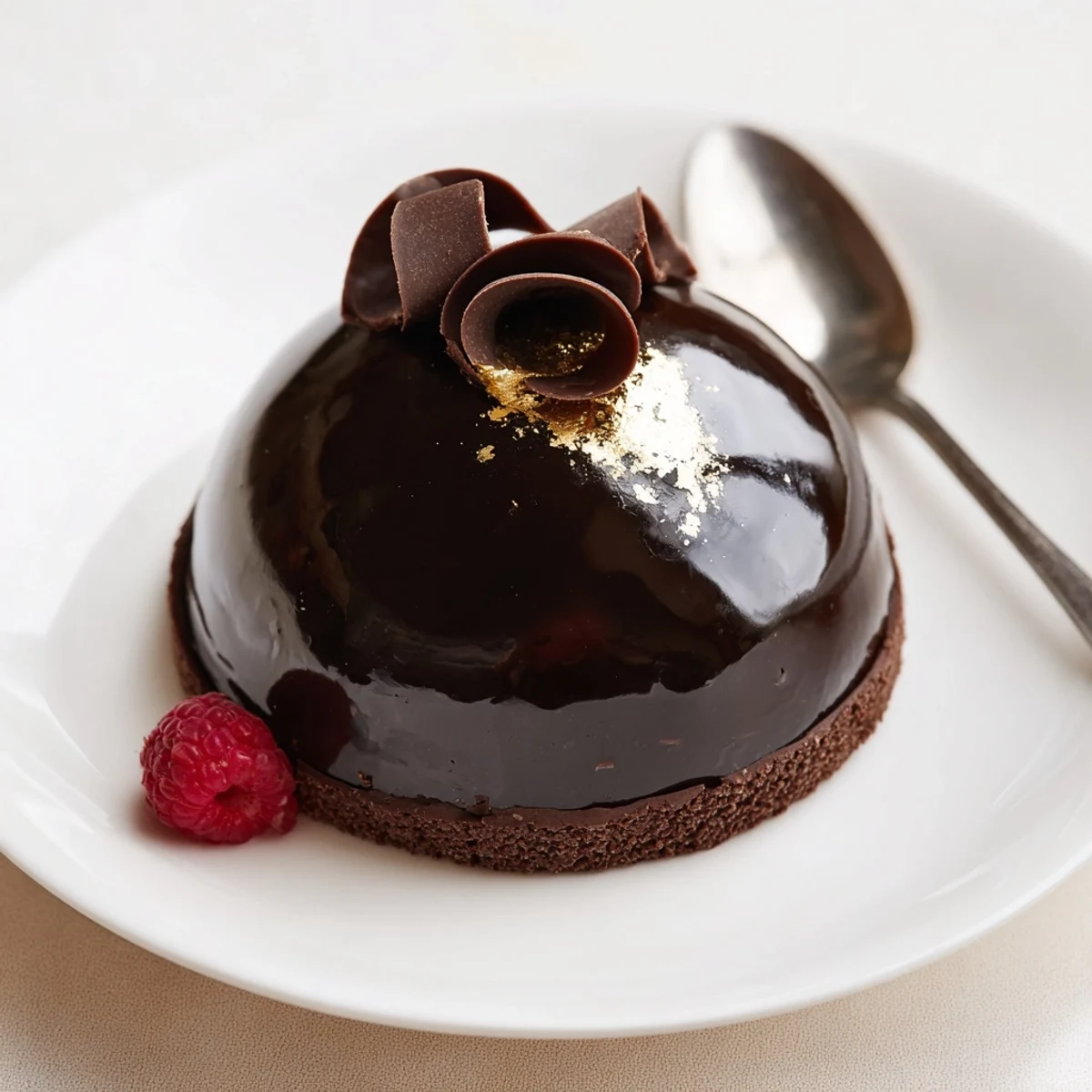
Save Silky mascarpone mousse is whipped to soft peaks, stabilized with bloomed gelatin, and piped into crisp dark chocolate domes formed in silicone molds. After a thorough chill (about 3 hours) domes are gently unmolded and placed on a rack. A glossy cocoa mirror glaze, cooled to roughly 32°C, is poured over each dome for a flawless finish; work quickly to avoid streaks. Chill again until set, then dress with gold leaf, chocolate curls or berries. Tools like a thermometer, flexible molds and a fine sieve for the glaze improve results; for a firmer vegetarian set, use agar adjustments. Yields six refined domes that benefit from patient chilling and careful handling.
The moment melted chocolate hit the cool silicone mold, I could practically hear the promise of something grand—a dessert that would quietly steal the show. This recipe emerged from an afternoon spent chasing the kind of wow factor only glossy domes can muster, the kitchen tipped toward chaos as I balanced bowls and bits of gold leaf. Every step felt oddly meditative: stirring, folding, watching the glaze cascade like a silk gown. There is a thrill in crafting something so elegant, yet secretly satisfying to break into with a spoon.
I debuted these domes at a birthday dinner—nervous, sweaty-palmed, and desperately hoping the mirror glaze wouldn’t betray me with a dull patch. Yet, as the plates landed, the room hushed: forks poised, eyes wide. There was laughter at my chocolate-splattered apron and whispers of can you really eat gold. That moment, the blend of satisfaction and communal wonder, is why I keep making them.
Ingredients
- Dark chocolate (250 g, at least 60% cocoa): Quality matters—choose a chocolate you love to eat, and chop it fine for even melting.
- Mascarpone cheese (250 g, chilled): Using it straight from the fridge keeps the mousse impossibly fluffy; don’t skip softening lumps with a gentle whisk.
- Heavy cream (250 ml for mousse, 60 ml for glaze): Cold cream whips best; don’t rush it, and you’ll get dreamy, soft peaks.
- Powdered sugar (50 g): Sifting first saves your mousse from unexpected sugary grains.
- Vanilla bean paste or extract (1 tsp): Just a touch—use bean paste if you can for those tiny fragrant specks.
- Gelatin (2 sheets or 7 g powdered for mousse, 2 sheets/4 g powdered for glaze): Always dissolve it completely; bloomed gelatin is the secret to smooth, sliceable domes.
- Cold water (2 tbsp for mousse, 3 tbsp for glaze): Measuring is key, otherwise gelatin won’t do its job and your domes will sulk.
- Sugar (100 g, for glaze): White sugar gives the mirror glaze its beautiful sheen and silky texture.
- Cocoa powder (30 g, sifted): Sifting is not just fussy; it’s how you dodge lumps and get that dark, glassy finish.
- Decoration (gold leaf, chocolate curls, fresh berries): These take the domes from lovely to showstopping—have fun improvising here.
Instructions
- Create the Chocolate Shells:
- Melt chopped dark chocolate gently—it should look glossy but never grainy. Use a pastry brush to coat your dome molds, then chill and repeat until the shells are sturdy and set.
- Whip the Mascarpone Mousse:
- Soften gelatin in cool water and dissolve it without letting it boil. Fold whipped cream into sweetened mascarpone and vanilla, then blend in the gelatin—everything should feel luxurious and soft.
- Fill and Set the Domes:
- Spoon or pipe mousse into each chocolate shell, smoothing the tops so they look inviting already. They need a good long chill (about three hours) to set and become sliceable clouds.
- Unmold the Magic:
- Ease each set dome from its silicone shell gently—any rush here risks ruining all your care. Set on a wire rack and get ready for the magic of glazing.
- Make the Mirror Glaze:
- Bloom gelatin separately while heating sugar, water, cream, and sifted cocoa, whisking until smooth and nearly bubbling. Remove from heat, let cool until warm but pourable (about 32°C), then stir in softened gelatin—this makes the glaze shine like a still pond.
- Glaze and Decorate:
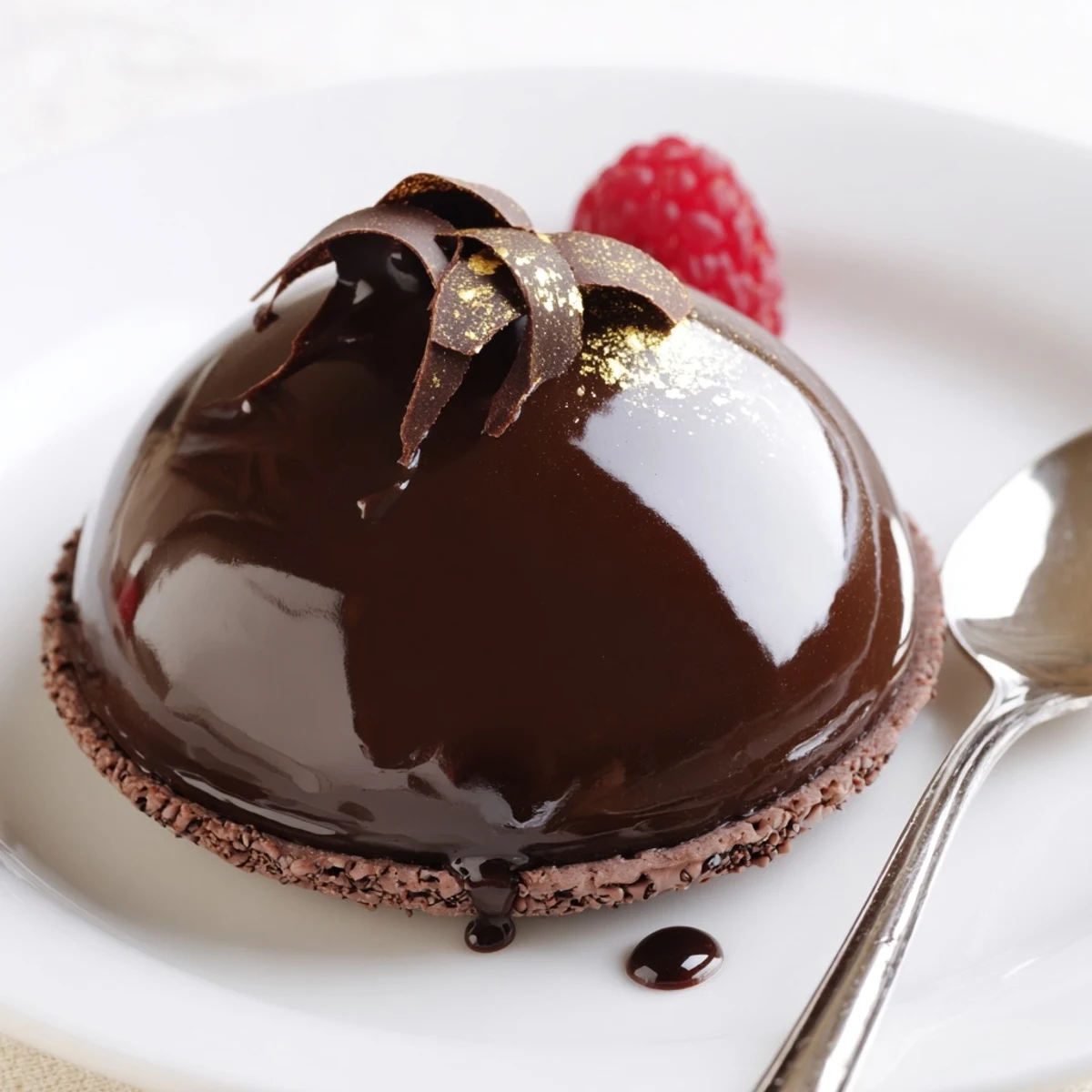
- Pour glossy glaze generously over chilled domes, letting it pool and drip elegantly over the sides. Set on plates, flourish with gold leaf or berries, and chill again until the glaze is set and begging to be admired.
 Save
Save There was one evening when a friend, face alight with surprise, broke into her dome and declared it too pretty to eat—before promptly finishing it anyway. It’s in these moments the dessert transcends its recipe: it becomes a shared thrill, a centerpiece, a reason to linger at the table just a little longer.
Getting the Chocolate Shells Just Right
The first time I made these, I discovered how important it is to coat the molds generously, giving the shells real presence. If you make them too thin, they snap disappointingly as you unmold. The satisfying sound as each shell comes free is your best indicator that you did it right. Even if you don’t use gold leaf, dark chocolate’s shine alone will catch the light beautifully.
Secrets to Feather-Light Mascarpone Mousse
Once, I accidentally overwhipped the cream and ended up with a dense, grainy mousse—now I stop at soft peaks for a cloudlike filling. Folding is the real key here, coaxing air into the mixture with slow, delicious movements. A gentle touch means your mousse stays pillowy and light. If your kitchen’s warm, chill your bowl first for a little extra insurance.
Mastering the Mirror Glaze
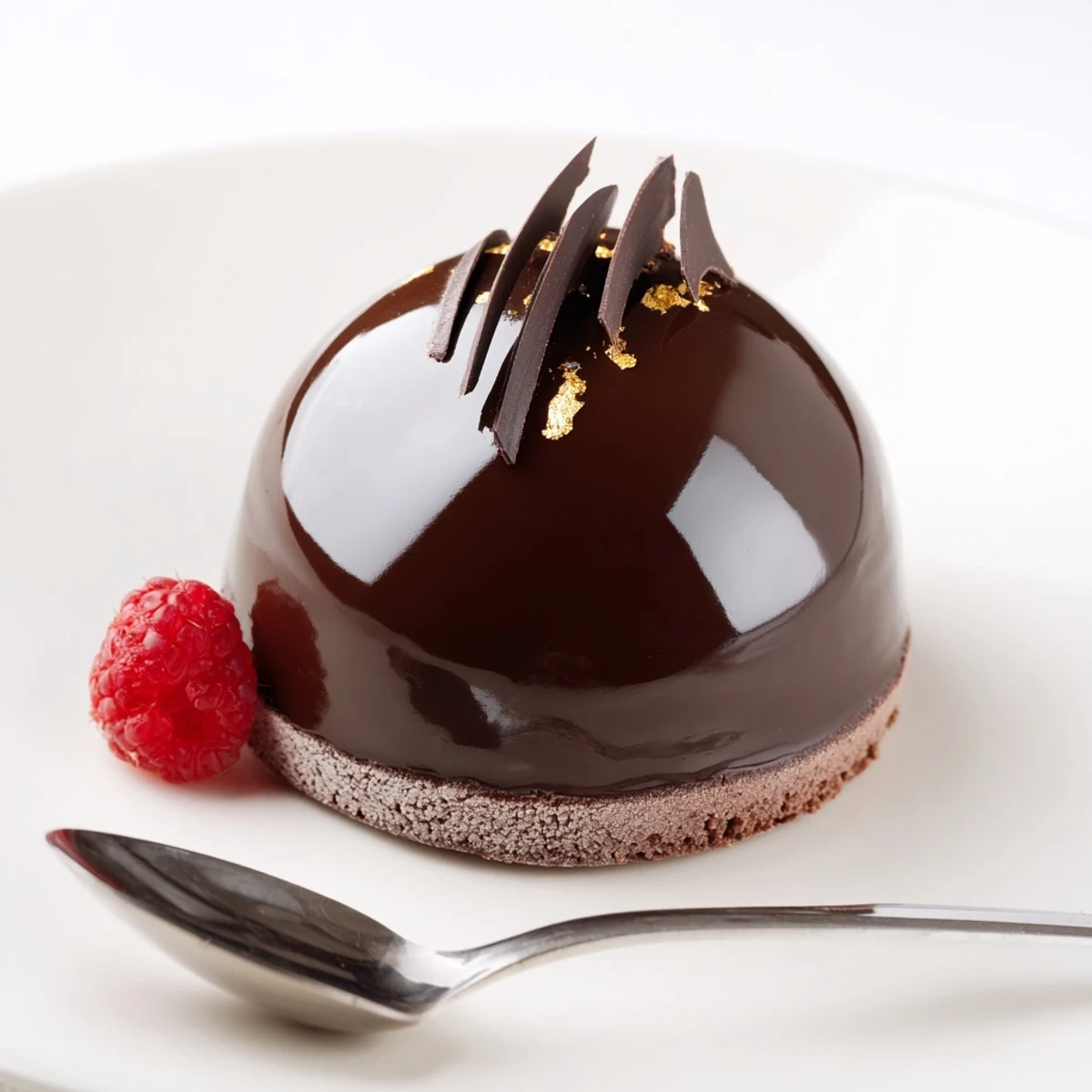
Watching glaze flow over a cold dome is mesmerizing, and I’ve learned to embrace the drips and ripples—they’re proof it’s homemade. Don’t be tempted to glaze before domes are fully cold; patience gives you that surreal, glassy finish. For a flawless pour, commit: start in the center and go all in, letting excess roll off.
- Let the glaze cool just enough—warmer and it’s too thin, cooler and it clumps.
- If you have leftover glaze, use it on cupcakes or freeze for a future treat.
- Wipe the bottom of each dome gently so they don’t stick to the plate when serving.
 Save
Save Whether it’s for a gathering or an afternoon of kitchen transformation, these domes bring a kind of quiet excitement. I hope the process surprises you as much as the stunning results at the very end.
Recipe FAQs
- → How do I build thicker, sturdier chocolate shells?
-
Brush or spoon several thin layers of melted chocolate into the silicone molds, chilling between coats to set each layer. Use good-quality dark chocolate (60%+ cocoa) and avoid overheating; tempering the chocolate will give a firmer, shinier shell that unmolds more cleanly.
- → What's the best way to bloom and incorporate gelatin?
-
Soak sheet gelatin in cold water for 5 minutes or sprinkle powdered gelatin over cold water to bloom. Gently warm the bloomed gelatin until fully dissolved (do not boil) and whisk it into a portion of the mousse or warm liquid before folding into the whipped mascarpone to ensure even setting.
- → How can I achieve a flawless mirror glaze?
-
Sift cocoa to remove lumps, simmer water, sugar and cream until smooth, then stir in softened gelatin. Cool the glaze to around 30–33°C before pouring over chilled domes on a wire rack so it flows evenly. Strain the glaze to remove bubbles or foam and pour in a steady, continuous motion.
- → Are there vegetarian alternatives to gelatin?
-
Yes — agar-agar can replace gelatin, but it requires boiling to activate and yields a slightly different, firmer texture. Start with manufacturer guidelines (typically less agar by weight than gelatin), test set strength, and adjust whipping and chilling times accordingly.
- → How do I unmold domes without cracking them?
-
Chill domes thoroughly until fully set, then gently flex silicone molds and ease the edges away from the chocolate. Use a light tap or warm your hands and briefly press the outside of the mold to release; avoid forcing the dome, which can cause cracks.
- → What are the best storage and make-ahead practices?
-
Prepare shells and mousse ahead and assemble, then chill for at least 3 hours. Glaze close to serving and chill briefly to set. Store finished domes refrigerated for up to 48 hours; for longer storage, freeze unglazed domes and glaze after thawing and chilling.
