
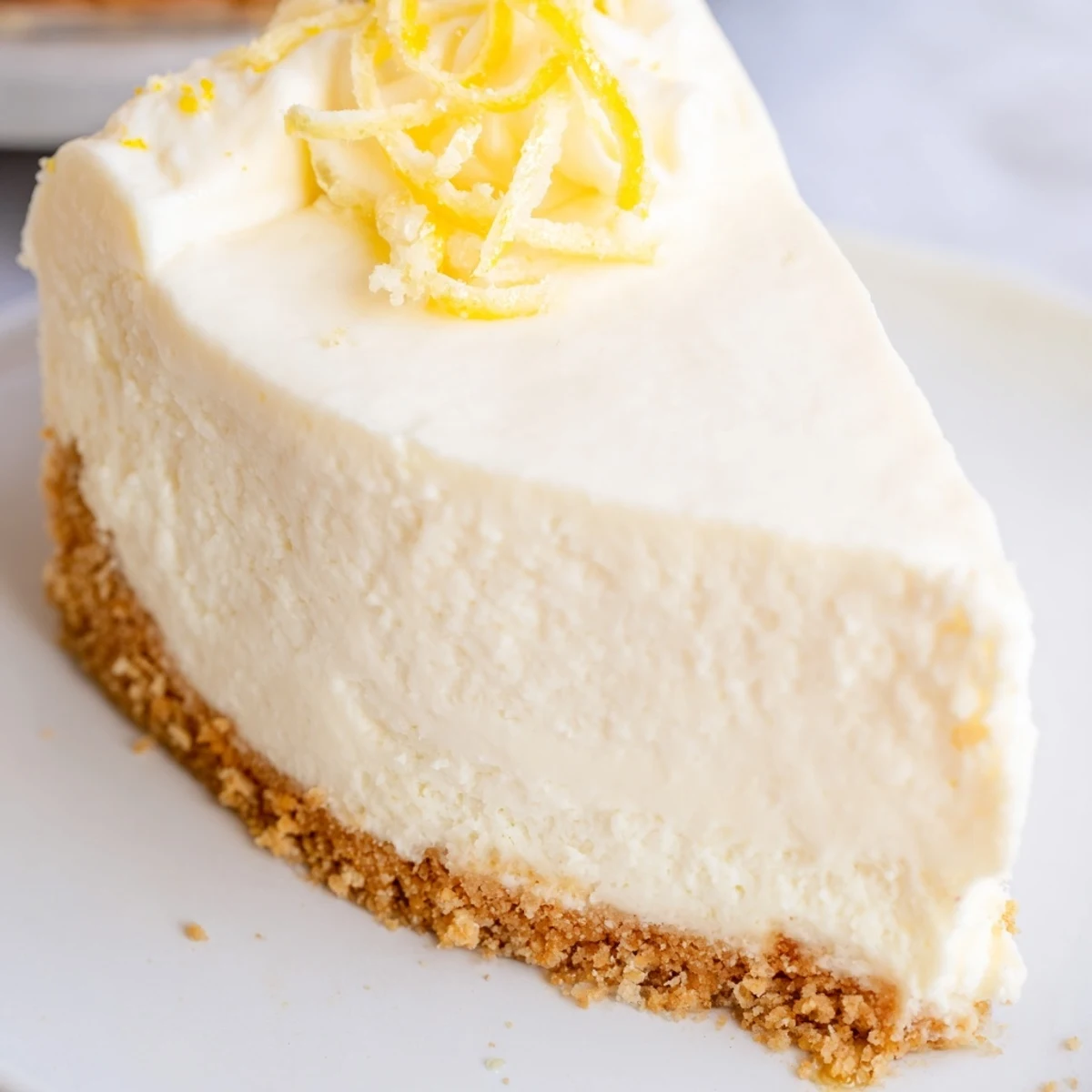
 Save
Save Preheat oven to 160°C (325°F). Press buttered graham crumbs into a 9-inch springform and bake 10 minutes. Beat cream cheese until smooth, add sugar, eggs one at a time, then sour cream, vanilla, flour and lemon juice. Pour over cooled crust and bake ~45 minutes until center is slightly wobbly. Cool one hour in oven with the door ajar, then chill at least 4 hours. Top with sour-cream mixture or berries; add citrus zest for brightness or an extra tablespoon of flour for a firmer set.
The summer I turned twenty six, I decided to bake a cheesecake for my roommates birthday dinner, armed with nothing but a hand mixer and a suspicious amount of confidence. The whole apartment smelled like warm butter and vanilla by noon, and by evening three grown adults were scraping the springform pan clean with forks. That wobbly, golden topped miracle taught me that some desserts are worth every minute of patience they demand.
I have made this cheesecake for office potlucks, holiday dinners, and one memorable Tuesday when a friend showed up at my door crying over a breakup and needed something sweet immediately. Every single time someone asks for the recipe before they finish their first slice. My friend Maria now texts me every November to confirm I am bringing it to her Thanksgiving table.
Ingredients
- Graham cracker crumbs (200 g): Fresh crumbs make a huge difference, so I pulse whole crackers in a food processor instead of buying pre ground.
- Unsalted butter, melted (100 g): The butter binds everything and toasts slightly during prebaking for a richer flavor.
- Granulated sugar for crust (2 tbsp): Just enough sweetness to balance the buttery crackers.
- Cream cheese, softened (900 g): Full fat cream cheese at true room temperature is non negotiable for a smooth filling without lumps.
- Granulated sugar for filling (200 g): Adds sweetness but also helps create that dense, creamy texture.
- Large eggs, room temperature (3): Cold eggs can cause the batter to seize, so I set them out an hour ahead.
- Sour cream (240 ml): This is the secret weapon that keeps every slice velvety and adds a gentle tang.
- Vanilla extract (2 tsp): Good quality vanilla transforms the whole flavor profile from flat to rounded.
- All purpose flour (2 tbsp): A small amount stabilizes the filling so it slices cleanly without cracking.
- Lemon juice (1 tbsp): Brightens everything and balances the richness in a way you will notice if you skip it.
- Sour cream for topping (240 ml): Creates that classic diner style blanket on top that I absolutely love.
- Powdered sugar (2 tbsp): Sweetens the topping just enough without making it grainy.
- Vanilla extract for topping (1 tsp): A final fragrant touch for the crowning layer.
Instructions
- Prep the pan and oven:
- Preheat your oven to 160 C (325 F) and line the bottom of a 23 cm springform pan with parchment paper. This little trick saves you from ever worrying about the crust sticking.
- Build the crust:
- Toss the graham cracker crumbs, melted butter, and sugar together until the mixture feels like damp sand. Press it firmly and evenly into the bottom of the pan, then bake for 10 minutes until it smells toasty and set.
- Start the filling:
- In a large bowl, beat the cream cheese alone first until it is completely smooth and lump free. Gradually pour in the sugar while mixing, giving it time to incorporate fully.
- Add the eggs and flavorings:
- Beat in the eggs one at a time, mixing just until each one disappears into the batter. Fold in the sour cream, vanilla, flour, and lemon juice gently, stopping as soon as everything is combined.
- Pour and bake:
- Pour the filling over your cooled crust and use a spatula to smooth the top. Bake for 45 minutes until the edges are set but the center still has a gentle wobble when you shake the pan.
- The slow cool down:
- Turn off the oven, crack the door open, and let the cheesecake sit inside for one full hour. This gradual cooling is what prevents those dreaded cracks across the top.
- Chill thoroughly:
- Remove the cheesecake, let it reach room temperature, then refrigerate for at least four hours or preferably overnight. I know waiting is agony but the texture transforms completely in the fridge.
- Finish with the topping:
- Whisk together the sour cream, powdered sugar, and vanilla until silky, then spread it evenly over the cold cheesecake right before serving.
 Save
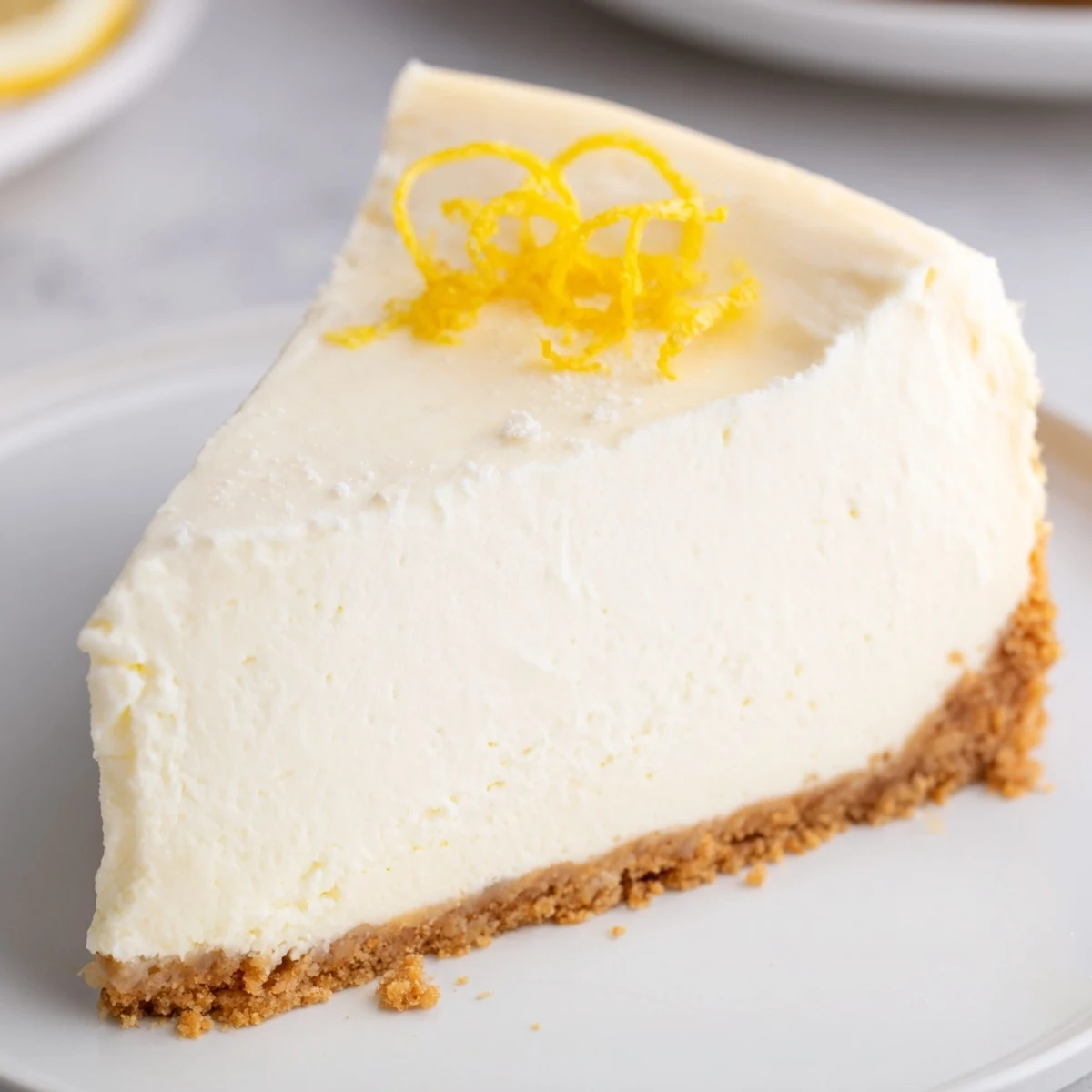
Save The first time I brought this cheesecake to a dinner party, my friends friend quietly asked me if I had bought it from a bakery. I smiled, said nothing, and let the compliment sit there in the warm kitchen air.
Choosing the Right Pan
A springform pan is really the only way to go here because it lets you release the sides without flipping the cheesecake and risking everything. I learned the hard way that a regular cake pan turns removal into a high stakes gamble that rarely ends well. If your springform pan tends to leak, wrap the outside in heavy duty foil before baking.
Flavor Variations Worth Trying
Once you have the base recipe locked down, the fun really begins because cheesecake is endlessly adaptable. I have stirred in finely grated orange zest for brightness and swirled raspberry jam through the filling for a gorgeous purple marbled effect. A friend once added a tablespoon of espresso powder and told me it was the best dessert she had ever made.
Serving and Storing Leftovers
Cheesecake actually tastes better on the second day because the flavors settle and the texture becomes denser and more satisfying. I cover it loosely with foil or plastic wrap and keep it in the fridge for up to five days, though it never lasts that long in my house.
- Use a clean sharp knife dipped in hot water for picture perfect slices every time.
- Freeze individual slices wrapped tightly in plastic for up to two months for emergency dessert situations.
- Always let chilled slices sit at room temperature for about fifteen minutes before serving so the flavor wakes up.
 Save
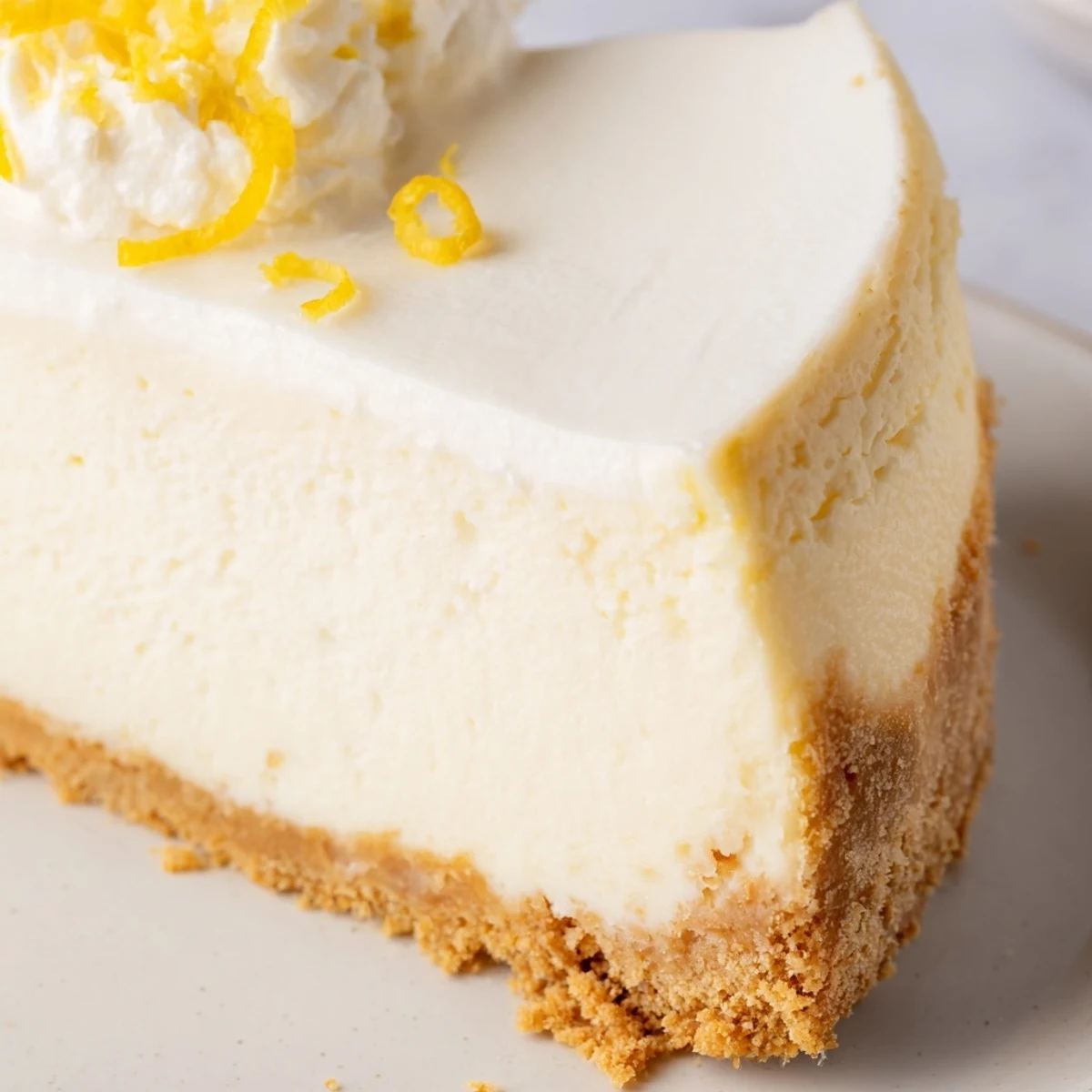
Save Some recipes become staples because they are easy, and others earn their place because they make people close their eyes when they take the first bite. This cheesecake is firmly in the second category, and it always will be.
Recipe FAQs
- → How do I prevent cracks on the surface?
-
Mix gently and avoid overbeating once eggs are added. Bake at a low temperature and cool gradually—leave the oven door slightly ajar for an hour to reduce shock, then chill thoroughly to set the filling.
- → What pan should I use?
-
A 23 cm (9-inch) springform pan is ideal; line the bottom with parchment to ease removal and press the crust firmly for even support.
- → Can I substitute the sour cream?
-
Greek yogurt can be used for a tangy note but may be slightly thinner—use full-fat options and reduce other liquids if needed to maintain texture.
- → How can I tell when it's done?
-
The edges should be set while the center remains slightly wobbly when gently shaken; it will continue to firm as it cools and chills.
- → How should I store leftovers?
-
Cover and refrigerate for 4–5 days. For longer storage, freeze individual slices up to one month; thaw slowly in the refrigerator before serving.
- → How can I adjust texture or flavor?
-
For a firmer set add one extra tablespoon of flour. Stir in finely grated lemon or orange zest for citrus brightness, and serve with fresh berries or a compote for contrast.
